

What defines premium casual shoes? Keys to timeless style
TL;DR:
- Quality shoes are defined by construction, materials, comfort, and design, not just price.
- Full-grain leather and expert craftsmanship ensure durability, aging, and a refined appearance.
- Minimalist, versatile designs in neutral colors offer timeless style and long-term value.
Price is the first filter most professionals apply when evaluating casual shoes. It is a reasonable starting point, but it is incomplete. A $400 shoe built on corrected-grain leather with a glued sole can underperform a $280 pair made from full-grain Italian calf leather with a Goodyear welt. The real markers of quality sit below the surface: material sourcing, construction method, comfort engineering, and design restraint. This guide breaks down each of those factors so you can evaluate any shoe on its actual merits, not its marketing.
Table of Contents
- 1. Materials: The foundation of true luxury
- 2. Comfort features: More than meets the eye
- 3. Minimalist design and versatility
- 4. Construction, customization, and investment value
- Why most professionals miss the invisible details of premium casual shoes
- Elevate your shoe collection with premium craftsmanship
- Frequently asked questions
Key Takeaways
| Point | Details |
|---|---|
| Material is key | Full-grain Italian leather and quality suede set premium shoes apart for style and longevity. |
| Comfort technologies | Advanced cushioning and shock-absorbent insoles ensure all-day wear without compromising aesthetics. |
| Minimalist versatility | Understated designs in neutral tones fit seamlessly across professional and casual settings. |
| Smart investment | Premium shoes offer better cost-per-wear, often lasting for years with proper care. |
1. Materials: The foundation of true luxury
Materials determine how a shoe performs over time. Not just how it looks on day one, but how it ages, breathes, and holds its shape after years of regular wear. Premium casual shoes use superior materials such as full-grain Italian calf leather or high-quality suede, and that distinction has measurable consequences for durability and appearance.
Full-grain leather retains the outermost layer of the hide, which is the densest and most durable part. It resists moisture, scuffs, and abrasion better than processed alternatives. Over time, it develops a patina leather that is unique to each wearer. That gradual darkening and surface variation is not a defect. It is evidence of genuine material quality.
Suede, cut from the underside of the hide, offers a softer texture and a more relaxed visual profile. It requires more maintenance but rewards that attention with a refined look that holds up well in business casual settings. Both materials develop patina, breathability, and durability in ways that synthetic alternatives cannot replicate.
“The tannery matters as much as the hide. Leather sourced from established Italian or Spanish tanneries undergoes slower, more controlled processing, which preserves the fiber structure and produces a more consistent, longer-lasting material.”
Corrected-grain leather is sanded and coated to remove imperfections. It looks uniform but loses breathability and the ability to develop character over time. Synthetic materials cost less but degrade faster and lack the structural integrity that luxury leather craftsmanship provides.
Material comparison table:
| Material | Breathability | Durability | Patina development | Maintenance level |
|---|---|---|---|---|
| Full-grain leather | High | Very high | Strong | Moderate |
| Premium suede | Medium | High | Moderate | High |
| Corrected-grain leather | Low | Medium | Minimal | Low |
| Synthetic | Very low | Low | None | Very low |
Key characteristics to look for when evaluating luxury shoe materials:
- Visible natural grain pattern with minor surface variation
- Supple feel that does not crack under light flexing
- Tannery origin listed by the brand (Italian, Spanish, or English tanneries are reliable indicators)
- Leather lining rather than synthetic fabric inside the shoe
- Consistent stitching with no loose threads at seams
2. Comfort features: More than meets the eye
Even with the finest materials, comfort is essential for professionals who wear shoes through long meetings, commutes, and after-hours engagements. Premium casual shoes address this through specific engineering choices that standard options skip.
Advanced comfort features include OrthoLite Hybrid insoles and shock-absorbent footbeds that reduce fatigue during extended wear. OrthoLite foam is open-cell, which means it breathes and resists compression over time. Standard foam insoles flatten within weeks. The difference is noticeable after a full workday.
Dual-density outsoles combine a softer inner layer for cushioning with a firmer outer layer for stability and ground contact. This construction supports natural foot movement without sacrificing the clean profile that professional settings require. Cushioned midsoles add another layer of structure between the footbed and the outsole, distributing weight more evenly across the foot.
Natural linings, typically leather or moisture-wicking fabric, regulate temperature and reduce odor. Synthetic linings trap heat and moisture, which accelerates material breakdown and creates discomfort during long wear periods.
Pro Tip: If you need additional arch support, swap factory insoles for custom orthotics. Most premium casual shoes have enough interior volume to accommodate a thin orthotic without altering the fit or the external silhouette.
Premium comfort features vs. basic shoes:
- OrthoLite or equivalent open-cell foam insole vs. standard flat foam
- Dual-density or layered outsole vs. single-density rubber or plastic
- Cushioned midsole with structured support vs. no midsole layer
- Leather or moisture-wicking natural lining vs. synthetic fabric lining
- Anatomically shaped last vs. generic last with no foot-specific contouring
- Padded collar and tongue vs. unpadded construction
These features matter most for professionals who treat their footwear as a daily tool. Options covered in guides to customizing footwear for professionals show how comfort and personalization can be addressed together. For a broader view of which shoe types suit executive lifestyles, the luxury shoes for executives resource provides useful context.
3. Minimalist design and versatility
Once comfort is confirmed, design determines whether a shoe earns a permanent place in your rotation or gets retired after one season. For professionals in finance, law, and technology, the standard is high and the margin for error is narrow.
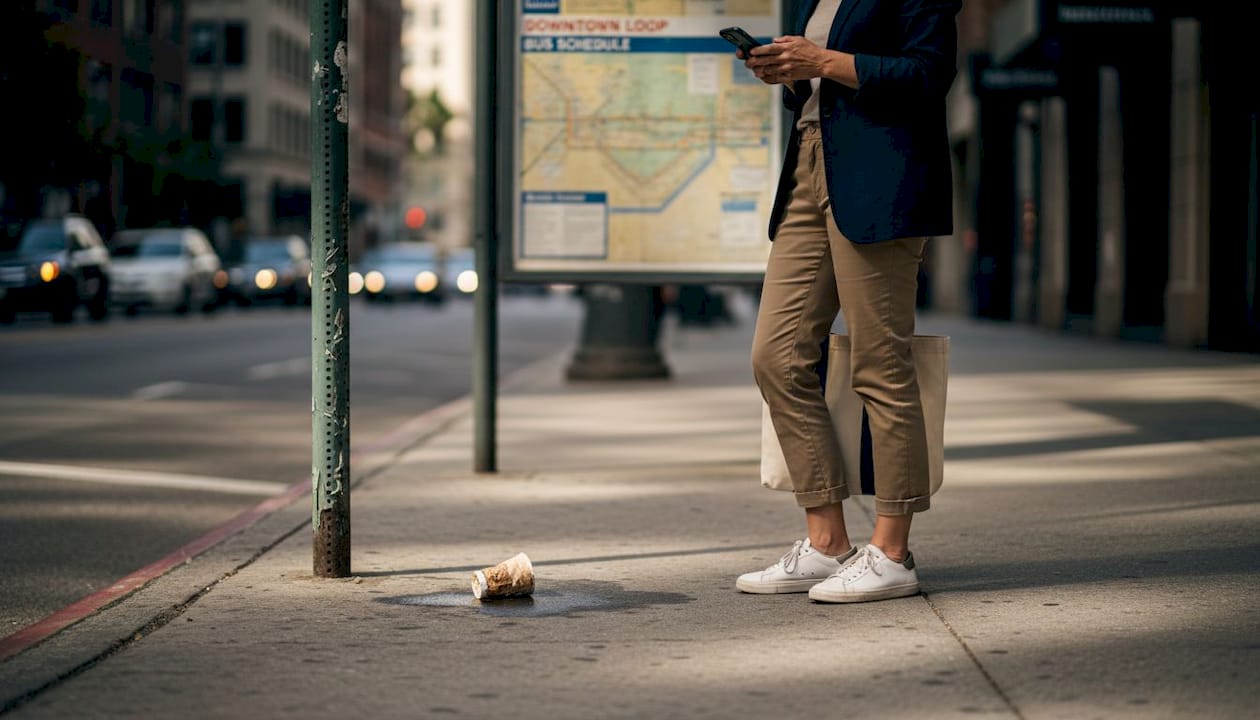
Minimalist, low-profile designs in neutral colors suit business casual environments without drawing attention away from the professional wearing them. That is the point. A shoe that complements an outfit is more useful than one that dominates it.
Neutral palettes, specifically black, brown, tan, navy, and white, maximize outfit compatibility. They work across seasons and dress codes without requiring a separate pair for each context. Loud colors, oversized branding, and exaggerated soles narrow a shoe’s utility and age poorly.
Recommended styles include penny loafers, derbies, and clean leather sneakers because they share a common trait: clean lines with no unnecessary detailing. These silhouettes have remained consistent across decades, which is the most reliable indicator of timelessness.
Minimalist premium vs. trendy casual design:
| Attribute | Minimalist premium | Trendy/casual |
|---|---|---|
| Work appropriateness | High across most sectors | Variable, often limited |
| Timelessness | Consistent across 10+ years | Typically 1-3 seasons |
| Outfit versatility | Broad, works across dress codes | Narrow, context-specific |
| Resale or longevity value | Retains relevance | Declines quickly |
Design choices to prioritize:
- Clean toe box with no decorative stitching or embossing
- Slim to medium sole profile without platform elements
- No visible logos or brand marks on the upper
- Consistent color blocking without contrasting panels
- Subtle detailing such as a single brogue perforation or a quiet welt
A well-chosen minimalist shoe transitions from a morning client meeting to an evening event without requiring a change. The business attire shoe guide covers how to match specific silhouettes to dress codes, and the luxury shoe care resource explains how to keep neutral leathers looking sharp over time.
4. Construction, customization, and investment value
A shoe’s design only goes so far. The real long-term value comes from how it is built and whether it can be maintained, repaired, and personalized over time.
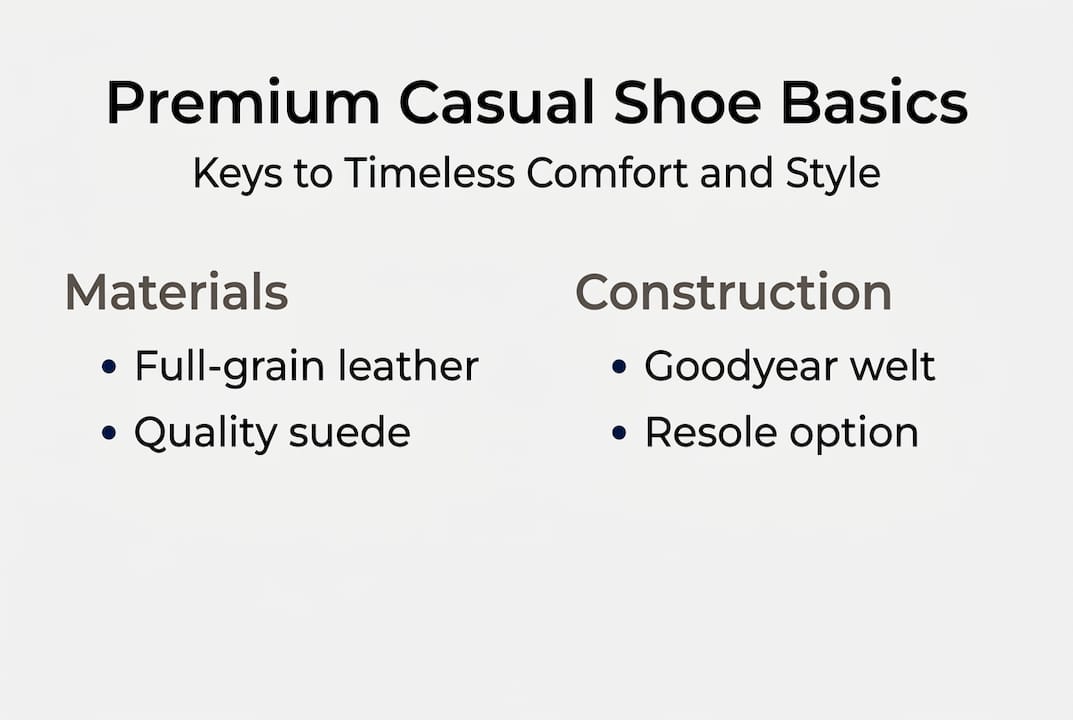
Two construction methods define most premium casual shoes. Blake stitch offers a sleeker profile, a faster break-in period, and a trimmer appearance. Goodyear welt is more robust, allows for easier resoling, and extends the functional life of the shoe significantly. Hybrid methods attempt to balance both. Your choice depends on whether you prioritize aesthetics or longevity. The Blake vs. Goodyear construction comparison covers the trade-offs in practical terms.
Customization adds another dimension. Selecting the last shape, lining material, sole type, and color finish produces a shoe that fits your foot and your professional identity. This is not a luxury reserved for bespoke orders. Many brands now offer configured customization at accessible price points, including options covered in guides to customizing formal shoes.
“Premium shoes in the $250-500 range last 5-20 years, far outperforming cheaper alternatives when measured by cost per wear.”
The investment math is straightforward:
- A $300 pair resoled twice over 8 years costs roughly $37 per year
- A $100 pair replaced annually costs $100 per year
- The premium option costs 63% less over the same period
- Material quality and construction method determine whether resoling is even possible
- Goodyear-welted shoes can typically be resoled 3-4 times before retirement
Pro Tip: Before purchasing, ask the brand directly whether the shoe can be resoled and what that process costs. If the answer is unclear or negative, the shoe is likely glued construction and should be priced accordingly in your evaluation.
Why most professionals miss the invisible details of premium casual shoes
Most professionals evaluate shoes the same way they evaluate most purchases: brand recognition first, price second, appearance third. That framework works for commodity goods. It does not work for footwear where the most consequential details are hidden inside the shoe or embedded in the material itself.
The stitching density, the tannery source, the last shape, and the lining material are not visible in a product photo. They are not always listed in a product description. But they determine how the shoe performs after 500 wears, not after five. Professionals who understand leather craftsmanship insights make better decisions because they know what questions to ask.
In boardroom and networking settings, understated quality reads more clearly than visible branding. A well-maintained full-grain leather derby with a developed patina signals attention to detail and long-term thinking. Those are qualities that translate beyond footwear. Learning to identify them prevents expensive mistakes and ensures your shoes age alongside your career rather than behind it.
Elevate your shoe collection with premium craftsmanship
Armed with a clear understanding of what separates genuine quality from surface-level pricing, the next step is applying that knowledge to your wardrobe.
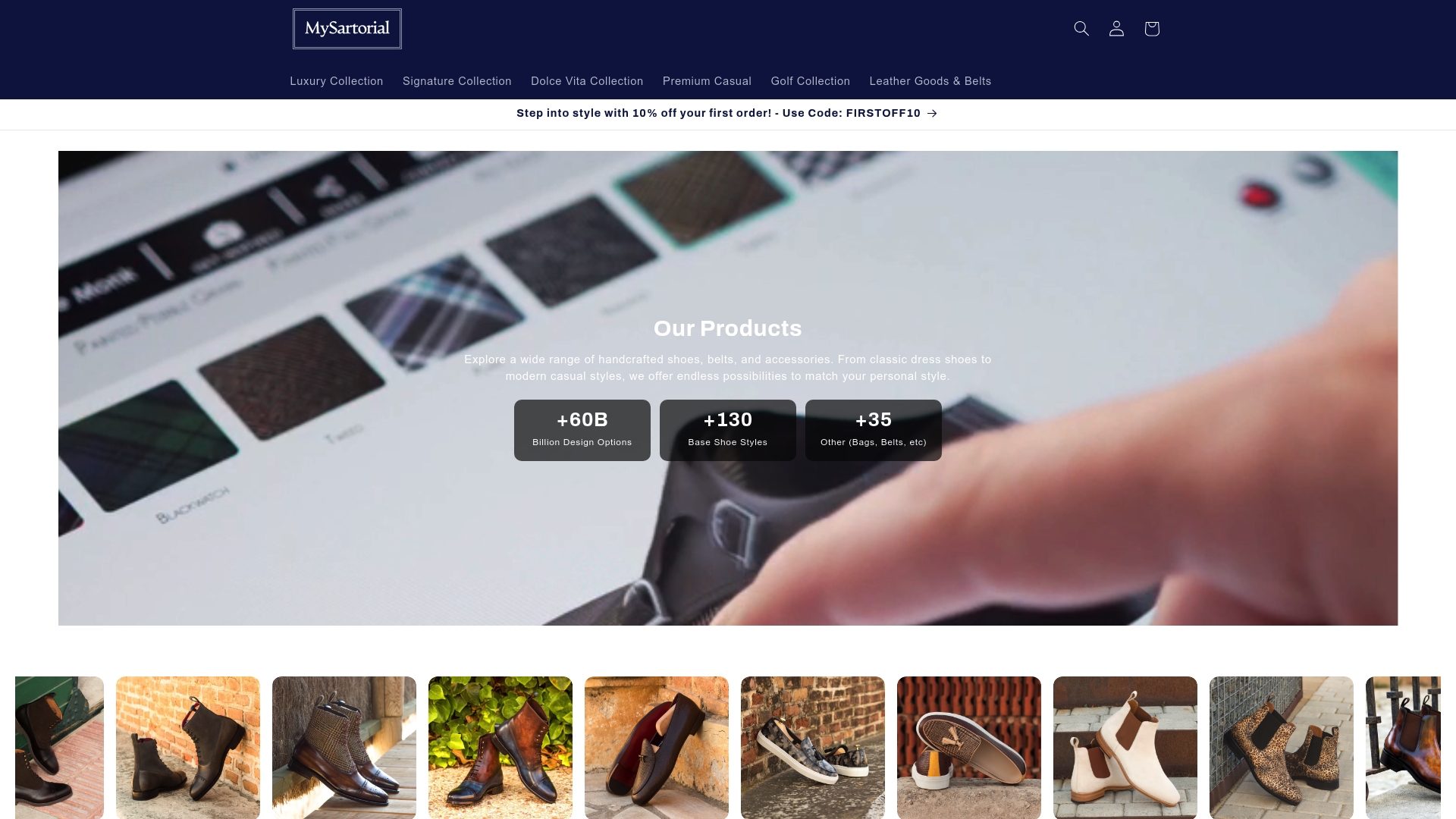
MySartorial offers handcrafted European footwear across multiple collections, with customization options covering sole type, lining, finish, and patina style. Each pair is built with quality leathers and durable construction methods, including Goodyear welting. The leather goods and belts collection provides coordinated accessories that complete a professional wardrobe without requiring separate sourcing. Browse the full range to identify options that meet the material, construction, and design standards covered in this guide.
Frequently asked questions
What types of leather are best for premium casual shoes?
Full-grain Italian calf leather and top-quality suede from reputable tanneries offer the best combination of durability, breathability, and long-term patina development. Both outperform corrected-grain and synthetic alternatives in every functional category.
How long do premium casual shoes last?
Premium shoes last 5-20 years with proper maintenance and resoling. Lifespan depends on construction method, with Goodyear-welted shoes offering the most resoling potential.
What makes minimalist shoe design important for professionals?
Minimalist, low-profile designs in neutral colors work across dress codes and settings without drawing attention. They remain relevant across seasons, which increases cost-per-wear efficiency and reduces the need for frequent replacement.
Which construction methods should I look for in premium casual shoes?
Blake stitch offers a sleeker profile with a faster break-in, while Goodyear welt provides greater durability and resoling capacity. The right choice depends on whether you prioritize appearance or long-term serviceability.