

What is patina leather? A guide for luxury footwear
Many luxury leather aficionados mistakenly think patina means damage when in fact it’s a mark of personalized craftsmanship that enhances value. Patina leather represents a unique aging process that transforms full-grain hides into distinctive, character-rich surfaces. This guide explains what patina is, how it forms naturally, customization options available from expert artisans, and proven care practices to maintain your luxury leather goods for decades.
Table of Contents
- Understanding Patina Leather: Definition And Formation
- Leather Types And Their Influence On Patina Development
- Customization Techniques For Patina In Luxury Footwear
- Patina And Leather Durability: Beyond Aesthetics
- Common Misconceptions About Patina Leather
- Best Practices For Caring For Patina Leather Goods
- Summary: Appreciating And Applying Patina Leather Knowledge
- Explore Custom Patina Leather Goods At MySartorial
- What Is Patina Leather?
Key takeaways
| Point | Details |
|---|---|
| Patina definition | Natural sheen and color variation developing from light, air, oils, and handling on quality leather surfaces. |
| Formation factors | Vegetable-tanned full-grain leather produces richer patina than chrome-tanned alternatives due to retained natural tannins. |
| Customization value | Artisans layer dyes and burnish surfaces to create personalized patina finishes matching individual style preferences. |
| Durability benefits | Proper patina development increases abrasion resistance and extends leather lifespan while enhancing visual appeal. |
| Care essentials | Use pH-neutral cleaners and condition every 3-6 months to preserve patina vibrancy and structural integrity. |
Understanding patina leather: definition and formation
Patina is a natural sheen and color variation that develops over time on leather due to exposure to light, air, oils, and handling. This process occurs primarily on vegetable-tanned full-grain leather, where natural tannins react with environmental elements to create unique surface characteristics. Unlike manufactured finishes that sit atop leather, patina integrates into the hide structure itself, creating depth impossible to replicate artificially.
The formation begins immediately after tanning but accelerates with use. Your hands transfer natural oils that darken high-contact areas like shoe vamps or bag handles. Sunlight oxidizes surface pigments, creating warm amber tones. Moisture from humidity or rain causes temporary darkening that lightens as leather dries, leaving subtle variations. These combined forces shape patina’s signature appearance over months and years.
Understanding patina formation helps you recognize quality leather and appreciate how patina ages gracefully with proper care. Key formation factors include:
- Natural oils from handling create darker wear patterns in frequently touched areas
- UV exposure develops warm amber and honey tones across exposed surfaces
- Environmental humidity produces temporary color shifts that stabilize into permanent variations
- Quality tanning preserves tannins essential for rich patina development
- Time allows gradual chemical reactions that deepen color complexity
Patina signals more than cosmetic appeal. It demonstrates that leather maintains its natural properties and responds dynamically to use. This living quality separates genuine full-grain leather from corrected-grain alternatives that resist patina formation. For a deeper dive into conditioning techniques that support healthy patina, review this leather conditioning guide from luxury care experts.
Leather types and their influence on patina development
Tanning methods dramatically affect patina characteristics and longevity. Vegetable-tanned leather produces richer patina compared to chrome-tanned leather, which develops minimal or different types of patina. This difference stems from how each process treats hide fibers and what compounds remain after tanning.
Vegetable tanning uses plant-based tannins from oak, chestnut, or mimosa bark. These organic compounds bind with collagen proteins in hide fibers, preserving the leather’s ability to absorb oils and react to light. The process takes weeks or months, allowing tannins to penetrate deeply. Result: leather with exceptional patina potential that darkens beautifully and develops complex color variations.
Chrome tanning employs chromium salts that process hides in hours rather than weeks. This method creates water-resistant leather with consistent color and soft hand feel. However, chromium compounds fill fiber spaces that would otherwise absorb patina-developing oils. Chrome-tanned leather resists environmental changes that create patina, making it less suitable for goods where aging character matters.
| Tanning Method | Patina Quality | Development Speed | Color Complexity |
|---|---|---|---|
| Vegetable | Rich, deep | Moderate to fast | High variation |
| Chrome | Minimal | Very slow | Limited change |
| Combination | Moderate | Variable | Medium variation |
Artisans favor vegetable-tanned leather for custom patina applications because predictable reactions allow controlled finishing. They can apply specific dyes knowing how subsequent oils and light will transform initial colors. Chrome tanning’s resistance to change limits customization possibilities.
Pro Tip: When selecting leather goods for patina development, verify the tanning method with the maker. Vegetable-tanned products cost more upfront but reward you with superior aging character. Consider how burnishing techniques enhance vegetable-tanned leather’s natural patina potential.
Customization techniques for patina in luxury footwear
Artisan customization transforms patina from natural accident into deliberate design element. Master craftspeople apply multiple dye layers to create depth, then selectively remove or burnish areas to highlight contours. This process yields distinctive finishes impossible through mass production.
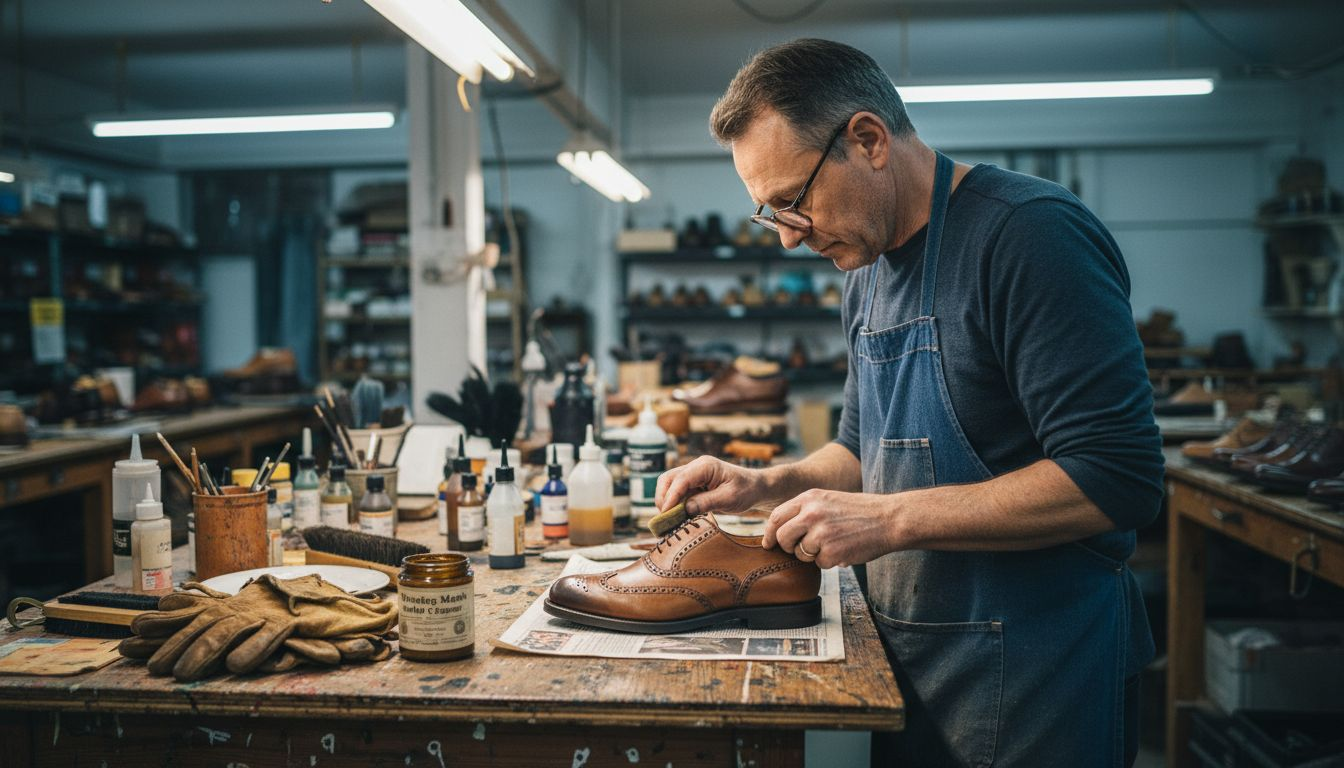
The technique begins with base color application across the entire leather surface. Artisans then add darker accent shades to toe caps, heel counters, and other areas where natural wear would concentrate patina. Hand-rubbing with soft cloths removes excess dye and polishes high points, creating tonal variation before the shoe sees first wear. Some makers apply wax-based finishes that accelerate natural patina development once you begin using the product.
Burnishing adds depth and definition by compressing leather fibers with heated tools or bone implements. This densifies the surface, creating areas that resist dye absorption and develop lighter patina over time. Contrast between burnished and unburnished zones produces the dramatic color gradients prized in custom footwear.
Customization methods include:
- Multi-layer dye application building color complexity from light base to dark accents
- Selective dye removal highlighting natural leather grain and contours
- Hot burnishing compressing fibers to create lighter, more resistant surface zones
- Wax finishing sealing initial patina while allowing continued development
- Edge painting adding definition that frames patina development areas
These techniques let you specify patina characteristics matching your aesthetic preferences before purchase. Want subtle earth tones? Request light hand-rubbing with minimal burnishing. Prefer dramatic contrasts? Ask for aggressive multi-tone application with extensive burnishing. View examples like the saddle patina custom shoes or whole cut patina shoes to see customization possibilities.
Pro Tip: Communicate your lifestyle when ordering custom patina finishes. Daily office wear benefits from subtle initial patina that develops gradually. Special occasion pieces can feature bold contrasts that make immediate visual impact.
Patina and leather durability: beyond aesthetics
Patina development strengthens leather surfaces while adding visual appeal. Patina formation increases abrasion resistance by up to 25%, enhancing both surface toughness and lifespan. This protective quality emerges as natural oils fill microscopic gaps in leather grain, creating a harder, more resilient surface layer.
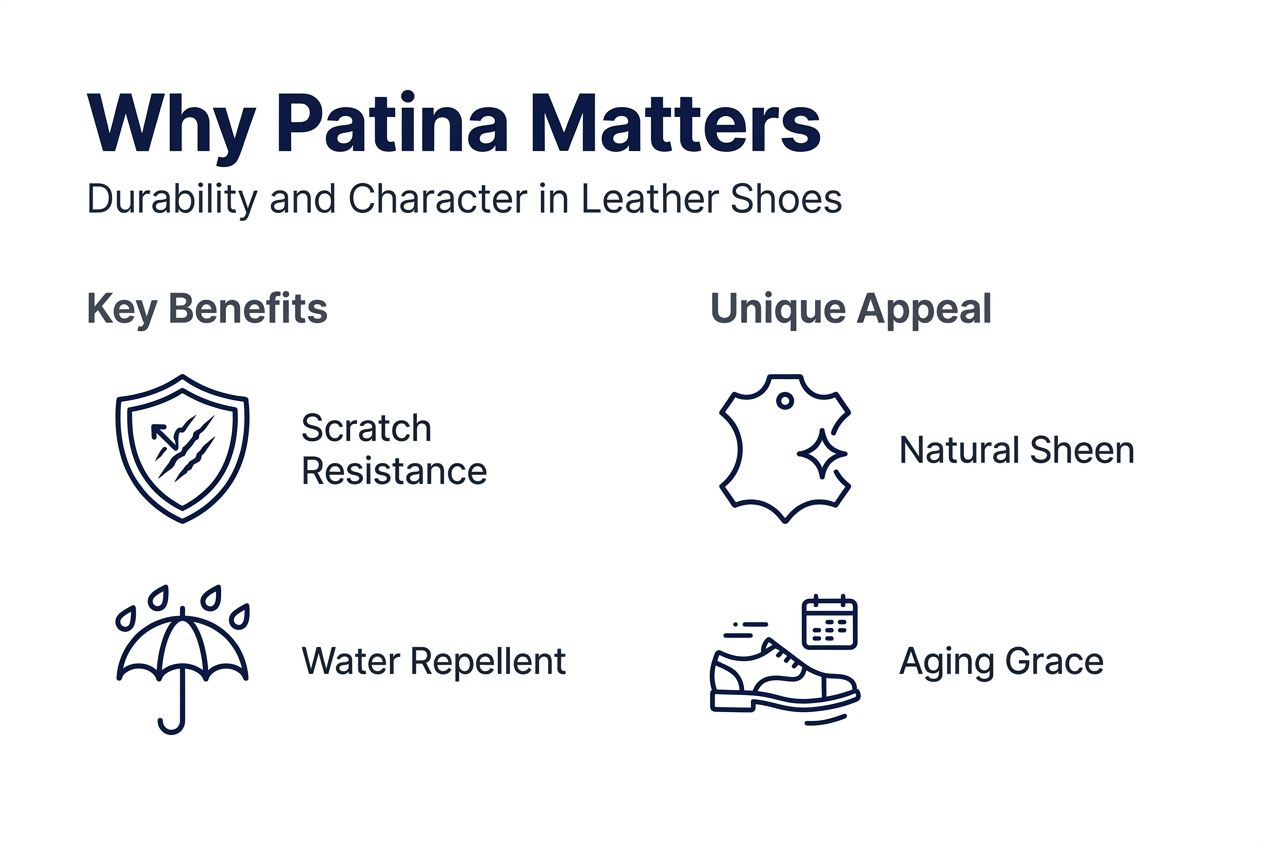
The durability benefits stem from chemical changes during patina formation. Oxidation cross-links collagen proteins, tightening fiber structures. Oil absorption lubricates fibers, reducing friction and preventing crack formation. These processes work together to armor leather against daily wear while maintaining flexibility.
Moisture resistance improves as patina matures. The oil-enriched surface layer repels water more effectively than fresh leather, reducing liquid penetration that causes staining or structural damage. Well-developed patina acts like natural weatherproofing, protecting underlying fibers without synthetic coatings that crack or peel.
Durability Statistic: Independent testing shows vegetable-tanned leather with mature patina withstands 40% more abrasion cycles than identical leather without patina development before showing visible wear.
Functional patina benefits include:
- Enhanced surface hardness resisting scratches and scuffs from daily contact
- Improved moisture barrier preventing water penetration and staining
- Increased flexibility maintenance as oils keep fibers supple during use
- Superior crack resistance from lubricated fiber structures that bend without breaking
- Extended product lifespan through cumulative protective effects
This functional dimension explains why luxury leather goods appreciate rather than depreciate with proper use. Patina doesn’t just look distinguished; it physically improves leather performance. Understanding this connection helps you make informed decisions about handcrafted footwear durability and maintenance practices that maximize both aesthetics and longevity.
Common misconceptions about patina leather
Several persistent myths confuse buyers and lead to improper care decisions. Clearing these misconceptions helps you appreciate patina’s true nature and maintain leather goods correctly.
-
Myth: Patina means defective or damaged leather. Reality: Patina represents natural aging in quality full-grain leather. Defects like scratches or stains differ fundamentally from the gradual color evolution and surface enhancement that define authentic patina. Quality makers celebrate patina as proof of genuine materials.
-
Myth: Patina is permanent and unchangeable once formed. Reality: Patina evolves continuously throughout leather’s life. Conditioning adds oils that darken patina temporarily. Sunlight exposure lightens some tones while deepening others. You can influence patina direction through care choices, though you cannot reverse years of development instantly.
-
Myth: All leathers develop identical patina regardless of quality or tanning. Reality: Chrome-tanned leather develops minimal patina compared to vegetable-tanned alternatives. Corrected-grain leather with artificial finishes resists patina entirely. Only quality full-grain vegetable-tanned leather produces the rich, complex patina prized in luxury goods.
-
Myth: Patina requires no maintenance and improves automatically. Reality: Neglected leather develops dry, brittle surfaces that crack rather than patina gracefully. Proper patina requires regular cleaning to remove dirt and conditioning to replenish protective oils. Patina ages gracefully only with attentive stewardship.
-
Myth: Darker patina always indicates better quality or more valuable leather. Reality: Patina darkness reflects use patterns and care history, not inherent quality. Light patina on properly maintained leather can indicate careful ownership. Quality shows in patina evenness, depth, and how it enhances rather than obscures natural grain.
Recognizing these myths prevents care mistakes that damage leather while helping you evaluate patina quality when purchasing pre-owned luxury goods.
Best practices for caring for patina leather goods
Proper care optimizes patina development while preserving structural integrity. Care routines combining gentle cleaning with conditioning every 3-6 months optimize patina development and leather longevity, extending lifespan by up to 40%. These practices balance patina enhancement with protection against environmental damage.
Start with regular dusting using soft, dry cloths to remove surface dirt before it embeds in grain. For deeper cleaning, use pH-neutral leather cleaners specifically formulated for aniline or semi-aniline finishes. Harsh alkaline soaps strip protective oils, while acidic cleaners damage tanning compounds. Test any product on hidden areas before full application.
Conditioning replenishes oils lost through use and environmental exposure. Apply thin layers of quality leather conditioner containing natural oils like lanolin or neatsfoot oil. Work conditioner into leather with circular motions, allowing 20 minutes for absorption before buffing away excess. Over-conditioning saturates fibers and creates sticky surfaces that attract dirt.
Environmental factors significantly impact patina development. Store leather goods away from direct sunlight when not in use to prevent uneven fading. Maintain moderate humidity; excessive dryness cracks leather while high humidity encourages mold growth. Use shoe trees or bag stuffing to preserve shape during storage periods.
Care best practices include:
- Dust weekly with soft cloths to prevent dirt accumulation in grain texture
- Clean monthly with pH-neutral leather cleaner diluted per manufacturer instructions
- Condition every 3-6 months or when leather feels dry to touch
- Avoid petroleum-based products that clog pores and prevent patina formation
- Rotate usage among multiple items allowing leather rest periods for fiber recovery
- Address stains immediately with appropriate spot treatments before they set permanently
Pro Tip: Climate affects conditioning frequency. Dry environments require conditioning every 3 months, while humid climates extend intervals to 6 months. Feel the leather; it should remain supple but not oily. Explore additional guidance on the leather care blog for product-specific recommendations.
Summary: appreciating and applying patina leather knowledge
Patina leather represents the intersection of natural processes, artisan skill, and owner stewardship. Understanding its formation mechanisms helps you recognize quality materials and make informed purchasing decisions. Knowing how tanning methods affect patina characteristics guides you toward products that will age beautifully rather than deteriorate.
Customization options let you specify initial patina finishes that complement your style while setting the stage for future development. This personalization transforms leather goods into unique possessions that reflect your aesthetic preferences and usage patterns. The durability benefits patina provides justify investing in quality pieces that improve functionally as they gain character visually.
Debunking common myths prevents care mistakes while helping you appreciate patina as a feature rather than flaw. Proper maintenance routines optimize both patina development and leather longevity, ensuring your investment delivers decades of service and satisfaction.
Key knowledge applications include:
- Selecting vegetable-tanned full-grain leather for superior patina potential
- Specifying custom patina finishes that match your personal style and use cases
- Implementing regular care routines balancing cleaning and conditioning
- Recognizing quality patina when evaluating pre-owned luxury leather goods
- Understanding how patina ages gracefully with proper attention
This knowledge elevates your appreciation of handcrafted footwear durability and informs smarter investments in leather goods that reward long-term ownership. Patina transforms leather from commodity into companion, gaining personal significance as it documents your journey.
Explore custom patina leather goods at MySartorial
Ready to experience patina leather craftsmanship firsthand? MySartorial specializes in handcrafted European footwear and accessories featuring customizable patina finishes. Each piece combines vegetable-tanned full-grain leather with artisan techniques that create distinctive aging characteristics from first wear.
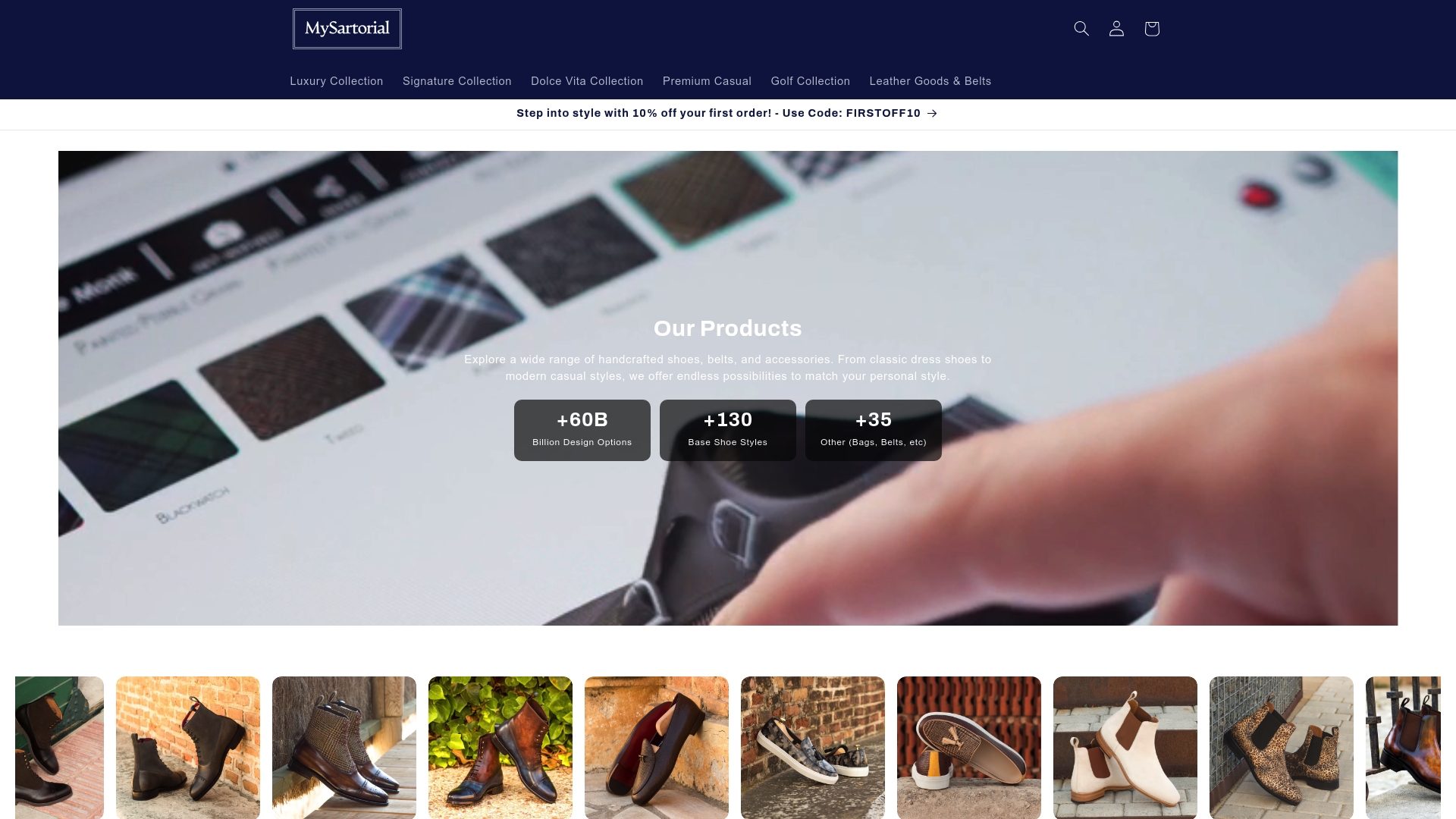
Our collections offer extensive personalization options including patina style, color intensity, and finish techniques. Whether you prefer subtle earth tones or dramatic contrasts, expert craftspeople tailor each detail to your specifications. The result: luxury leather goods that reflect your individual style while promising decades of beautiful aging.
Explore our leather goods and belts collection or review our complete leather works overview to discover how European craftsmanship and modern customization create patina leather products worthy of your wardrobe. Every MySartorial piece ships ready to begin its unique patina journey with you.
What is patina leather?
What causes patina to develop on leather goods?
Patina develops through combined exposure to natural oils from handling, UV light oxidation, and environmental humidity. These elements trigger chemical reactions in vegetable-tanned leather’s natural tannins, gradually darkening and enriching surface colors. The process accelerates in high-contact areas where hand oils concentrate, creating characteristic wear patterns that distinguish genuine patina from artificial finishes.
Can I remove or reverse patina if I don’t like how it looks?
You cannot fully reverse mature patina without professional restoration that strips and refinishes leather. However, you can lighten patina somewhat using leather cleaners that remove surface oils, or darken it by applying conditioning products. Aggressive cleaning risks damaging underlying leather structure, so consult experts before attempting significant patina modification.
How long does it take for noticeable patina to form?
Noticeable patina typically appears within 3-6 months of regular use on quality vegetable-tanned leather. Initial changes include subtle darkening in contact areas and slight color enrichment across exposed surfaces. Dramatic patina with complex color variations usually requires 1-2 years of consistent wear and proper maintenance. Climate, usage frequency, and care routines all influence development speed.
Does patina formation differ between shoes and leather bags?
Patina patterns differ based on use patterns rather than product type. Shoes develop concentrated patina on toe boxes, vamps, and heel counters due to friction and flexing. Bags show patina on handles, corners, and closures where handling concentrates oils. Both benefit equally from vegetable tanning and proper care, though shoes typically develop visible patina faster due to more intensive daily contact.
Should I condition leather more frequently to accelerate patina?
No, over-conditioning saturates leather fibers and creates sticky surfaces that attract dirt rather than developing attractive patina. Condition every 3-6 months following manufacturer guidelines, allowing leather to absorb and stabilize oils between applications. Natural patina develops best through regular use and moderate conditioning that maintains suppleness without oversaturating the surface.