

Guide to customizing formal footwear for professionals 2026
Finding formal shoes that fit properly and match your professional image is frustrating. Size errors account for 35% of custom shoe returns, wasting time and money. This guide walks you through prerequisites, customization steps, craftsmanship insights, and troubleshooting to create footwear combining authentic European quality with your personal style.
Table of Contents
- Prerequisites: What You Need Before Customizing
- Step-By-Step Customization Process For Formal Shoes
- Craftsmanship And Construction Methods Explained
- Customization Options And Their Tradeoffs
- Common Mistakes And Troubleshooting In Shoe Customization
- Expected Timelines, Costs, And Outcomes For Customized Formal Footwear
- Care And Maintenance For Longevity Of Customized Formal Shoes
- Explore MySartorial’s Leather Goods For A Complete Luxury Experience
Key takeaways
| Point | Details |
|---|---|
| Materials and measurements | Full-grain leather and precise foot measurements ensure durable, comfortable shoes that last. |
| Customization process | Blend style choices with craftsmanship techniques like Goodyear welting for optimal results. |
| Construction tradeoffs | Different sole and stitching options offer varying costs, durability, and aesthetic appeal. |
| Maintenance requirements | Proper care and timely resoling prevent common issues and extend shoe lifespan significantly. |
| Investment expectations | Production takes 6-10 weeks with premium pricing compared to off-the-shelf alternatives. |
Prerequisites: What you need before customizing
Successful footwear customization starts with the right foundation. Rushing into design choices without proper preparation leads to disappointment and costly mistakes.
Start by selecting full-grain leather for longevity. Full-grain leather lasts 50% longer than corrected grain, making it essential for shoes you’ll wear frequently. This material develops a beautiful patina over time while maintaining structural integrity.
Accurate foot measurements are non-negotiable. You need length, width, and arch height to avoid fit issues. Even small errors translate to discomfort during long professional days.
Understanding European craftsmanship methods helps you make informed choices. Goodyear welting, for instance, allows resoling and dramatically extends shoe life. Familiarize yourself with formal styles like Oxfords, Derbies, and Chelsea boots to match your professional context.
Key prerequisites include:
- Full-grain leather selection for premium durability and luxury feel
- Precise foot measurements covering length, width, and arch specifications
- Basic knowledge of handcrafted footwear durability and style principles
- Clear understanding of formal shoe styles suited to your profession
- Access to digital customization tools for design preview
Digital platforms now offer 3D visualization tools. These let you preview your design from multiple angles before committing to production.
Step-by-step customization process for formal shoes
The customization journey requires systematic attention to detail. Following these steps minimizes errors and maximizes satisfaction with your final product.
-
Measure your feet accurately. Use a professional fitting service or detailed measurement guide. Professional sizing services improve accuracy, directly enhancing fit satisfaction. Measure both feet at the end of the day when they’re slightly swollen.
-
Select your formal shoe style. Choose based on professional context and personal aesthetic. Oxfords work for conservative settings, while Derbies offer versatility. Chelsea boots bridge formal and casual when styled appropriately.
-
Choose materials and construction. Pick full-grain leather in your preferred color and finish. Select sole material considering your climate and typical walking surfaces. Specify stitching style and decorative details that align with your taste.
-
Configure finishes and details. Decide on patina application, edge finishing, and hardware choices. These subtle elements distinguish custom shoes from mass-produced alternatives. Balance aesthetic preferences with practical durability needs.
-
Use digital preview tools. Verify your design using 3D visualization before ordering. Check proportions, color combinations, and overall appearance from multiple angles. This step catches design mismatches early.
-
Place your order and prepare for production. Confirm all specifications and expect a 6-10 week timeline for handcrafted production. Plan purchases well ahead of events or seasonal wardrobe changes.
Pro Tip: Screenshot your final design configuration with all specifications visible. This documentation helps resolve any production questions and serves as reference for future orders.
The key to successful customization is balancing personal style with practical considerations. When you invest in personalized fully customized shoes, every detail should serve both form and function.
Craftsmanship and construction methods explained
Understanding construction methods helps you appreciate what you’re paying for and make smarter choices. These techniques directly impact how your shoes perform over years of wear.
Goodyear welt construction allows resoling, extending lifespan by up to a decade. The welt attaches the upper to the sole through a separate strip of leather, creating a water-resistant seal. This method requires more materials and labor but delivers unmatched longevity.
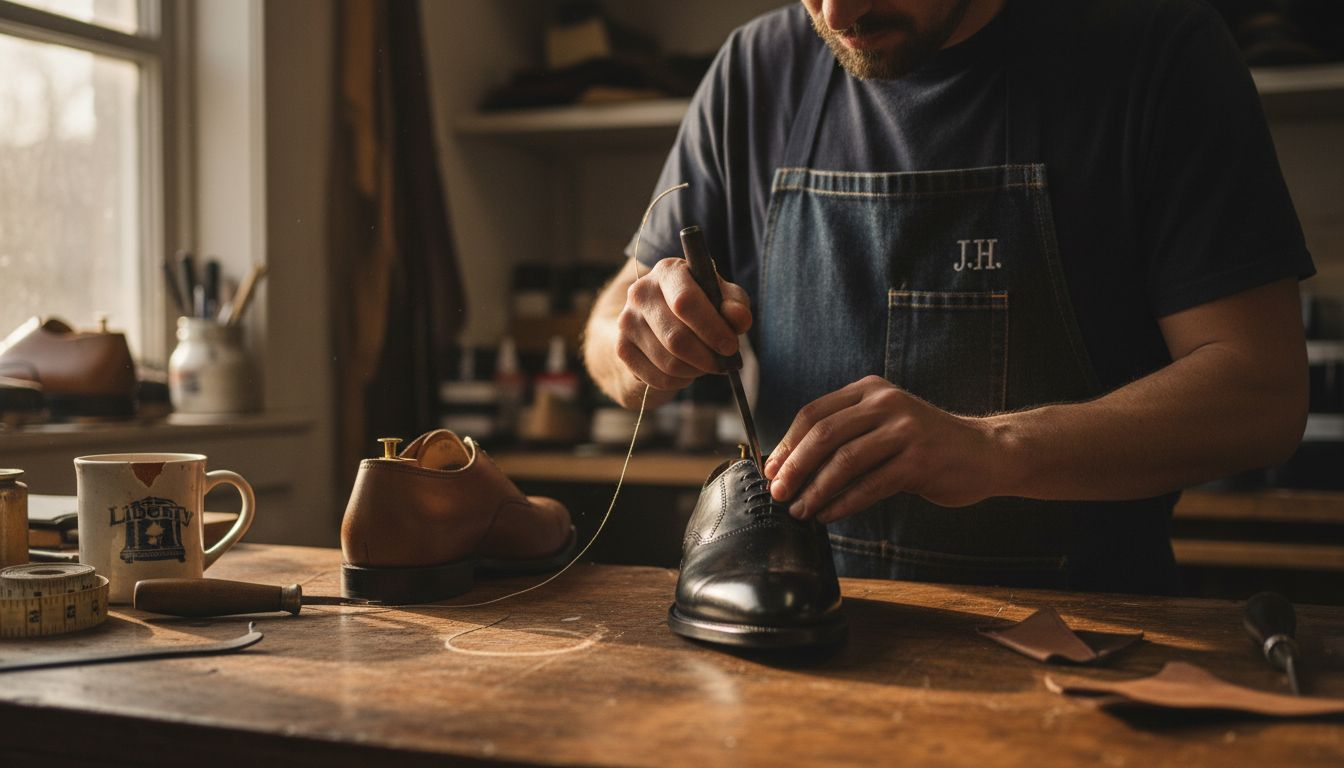
Blake stitching offers a lighter, more flexible alternative. It stitches the upper directly to the sole, creating a sleeker profile. However, resoling is more limited and waterproofing is compromised.
Sole material choices present distinct tradeoffs:
- Leather soles provide elegant appearance and breathability but offer less traction on wet surfaces
- Rubber soles deliver superior grip and weather resistance while appearing less formal
- Combination soles blend leather foreparts with rubber heels for balanced performance
Stitching quality affects both aesthetics and durability. Hand-stitching uses stronger thread and tighter tension than machine methods. You’ll see the difference in seam consistency and decorative broguing detail.
| Construction Method | Durability | Resoling | Water Resistance | Formality |
|---|---|---|---|---|
| Goodyear Welt | Excellent | Multiple times | High | Very High |
| Blake Stitch | Good | Limited | Moderate | High |
| Cemented | Fair | Difficult | Low | Varies |
Pro Tip: For shoes you’ll wear in varied weather conditions, choose Goodyear welt vs. Blake stitching based on your climate. Wet regions demand Goodyear construction despite the slightly bulkier appearance.
These craftsmanship elements work together to determine long-term value. A well-constructed shoe properly maintained outlasts three pairs of cheaper alternatives.
Customization options and their tradeoffs
Every customization choice involves balancing aesthetics, durability, cost, and maintenance. Understanding these tradeoffs prevents regret and maximizes value.
Sole material dramatically affects performance. Leather soles suit indoor professional environments and formal occasions. They breathe well and mold to your foot over time. Rubber soles handle varied terrain and weather but sacrifice some elegance. Consider where you’ll wear the shoes most.
Hand-stitched details increase price but offer greater luxury appeal and durability. Machine stitching costs less and holds up adequately for moderate wear. Decorative stitching like broguing adds character but creates more maintenance points.
| Customization Option | Cost Impact | Durability | Maintenance | Best For |
|---|---|---|---|---|
| Hand-stitched details | +30-40% | Excellent | Moderate | Daily wear |
| Machine stitching | Baseline | Good | Low | Occasional use |
| Leather soles | Standard | Good | High | Indoor/dry |
| Rubber soles | +15-20% | Excellent | Low | All weather |
| Patina finish | +20-25% | Good | Moderate | Style focus |
Style longevity matters for investment pieces. Classic Oxfords and plain-toe Derbies remain professionally appropriate across decades. Trendy details date quickly and may limit versatility.
Key tradeoff considerations:
- Thin leather soles wear faster with active use but maintain sleek elegance
- Decorative stitching requires careful cleaning to prevent dirt accumulation
- Exotic leathers command premium prices with specialized care needs
- Bold color choices limit outfit pairing compared to traditional browns and blacks
Pro Tip: Order your first custom pair in a conservative style with proven construction methods. Once you understand the process and quality, experiment with bolder choices on subsequent pairs.
The goal is finding your sweet spot between personal expression and practical performance. Handcrafted footwear durability and unique style come from making informed choices aligned with your lifestyle.
Common mistakes and troubleshooting in shoe customization
Even experienced buyers encounter pitfalls. Recognizing these issues early saves money and frustration.
Fit-related issues cause nearly 40% of dissatisfaction with custom shoes. The most common error is measuring feet incorrectly or at the wrong time of day. Feet swell throughout the day, so afternoon measurements provide more accurate sizing for all-day comfort.
Style mismatches create regret despite perfect fit. A sleek Chelsea boot may look stunning but feel inappropriate in your conservative office. Research your professional environment’s expectations before committing to unconventional styles.
Common mistakes to avoid:
- Measuring only one foot when sizes often differ between left and right
- Ignoring width measurements and focusing solely on length
- Selecting thin leather soles for climates with frequent rain or snow
- Choosing trendy colors that limit wardrobe versatility
- Skipping the digital preview step and discovering issues after production
- Underestimating maintenance requirements for exotic leathers or delicate finishes
Neglecting maintenance accelerates wear dramatically. Custom shoes require regular conditioning, proper storage, and timely repairs. Skipping these steps wastes your investment in premium materials and craftsmanship.
Pro Tip: If your first pair doesn’t fit perfectly, most reputable makers offer adjustments. Document any issues with photos and detailed descriptions within the first week of wear. Many craftsmen will modify the fit at minimal cost.
Prevention beats troubleshooting. Use professional fitting services when possible. Follow manufacturer guidelines precisely. Ask questions before ordering rather than assuming details. When you MTO personalized shoes benefits include expert consultation, leverage that resource fully.
Expected timelines, costs, and outcomes for customized formal footwear
Setting realistic expectations prevents disappointment and helps you plan purchases strategically. Custom shoes represent a significant investment in time and money.
Custom shoe production typically ranges from 6 to 10 weeks with prices 30-50% higher than luxury off-the-shelf shoes. Handcrafted processes cannot be rushed without compromising quality. Plan major purchases at least three months before you need them.
Price premiums reflect superior materials, skilled labor, and individualized attention. Entry-level custom formal shoes start around $400, while premium options with exotic leathers and extensive hand-finishing exceed $800. Compare this to quality off-the-shelf luxury shoes at $250-500.
| Timeline Stage | Duration | Key Activities |
|---|---|---|
| Order processing | 3-5 days | Design verification, material sourcing |
| Pattern creation | 1-2 weeks | Custom last development, pattern cutting |
| Construction | 3-5 weeks | Assembly, stitching, finishing |
| Quality control | 3-5 days | Inspection, final touches |
| Shipping | 5-10 days | Packaging, delivery |
Success metrics help evaluate your investment:
- Shoes fit comfortably for 8+ hour days without pain or blisters
- Construction quality supports 5+ years of regular wear with proper maintenance
- Style remains appropriate and appealing across professional contexts
- Personal satisfaction with unique design elements justifies premium cost
Measure success beyond initial impressions. The true value emerges over years of wear as properly constructed shoes maintain their appearance and comfort. Factor in resoling costs ($100-150) when calculating lifetime value.
Understanding the full picture helps you appreciate what you’re getting. The custom luxury shoe crafting guide demonstrates how time investment translates to superior results.
Care and maintenance for longevity of customized formal shoes
Proper care transforms a good investment into an exceptional one. Custom shoes demand more attention than off-the-shelf alternatives but reward diligence with decades of service.
Regular conditioning extends shoe life by up to 30%. Leather dries out over time, leading to cracks and structural failure. Apply quality conditioner every 4-6 weeks for shoes worn regularly. Focus on flex points where creasing concentrates stress.
Cleaning removes dirt and salts that degrade leather. Use a soft brush and damp cloth after each wear. Deep clean monthly with leather-specific cleaners. Never use harsh chemicals or excessive water.
Waterproofing protects your investment in wet climates. Apply weather-resistant treatments before first wear and reapply every few months. This simple step prevents water damage that ruins even premium leather.
Essential maintenance practices:
- Store shoes with cedar shoe trees to maintain shape and absorb moisture
- Rotate pairs to allow leather to rest and dry between wears
- Address minor damage immediately before it worsens
- Schedule professional cleaning and conditioning annually
- Resole promptly when you notice significant wear on soles or heels
Resoling preserves structure and appearance for Goodyear welted shoes. Most shoes need their first resole after 2-3 years of regular wear. This $100-150 service extends life by another 2-3 years, far cheaper than replacement.
Pro Tip: Create a simple maintenance calendar on your phone. Set reminders for conditioning, waterproofing, and rotation. Consistent care takes less time than fixing neglect.
Patina development requires special consideration. The patina leather care guide explains how to enhance rather than damage these unique finishes. Some patinas require cream polish rather than wax to maintain their character.
Explore MySartorial’s leather goods for a complete luxury experience
Your custom shoes deserve equally thoughtful accessories. Coordinating leather goods elevate your professional presence while maintaining craftsmanship consistency.
MySartorial offers meticulously crafted leather goods and belts that complement your customized footwear perfectly. Each piece features the same European craftsmanship and attention to detail you expect from premium shoes. Match leather colors and finishes across your accessories for a cohesive, polished appearance.
Explore our leather works and craftsmanship page to understand the artisanal techniques behind every product. From belt construction to hardware selection, these details ensure your accessories match your shoes in quality and longevity. Complete your professional wardrobe with coordinated luxury pieces that express your individual style while meeting the demands of your career.
FAQ
What is the typical turnaround time for custom formal shoes?
Production usually takes 6 to 10 weeks, allowing for handcrafted construction and quality control at each stage. Planning ahead ensures timely receipt for important events or seasonal wardrobe changes. Rush orders may be available for additional fees but can compromise quality.
How do I ensure my custom shoes fit perfectly?
Use professional measuring services or carefully follow digital measuring guides provided by the manufacturer. Utilize online sizing tools and 3D previews to verify your specifications before ordering. Double-check measurements against sizing charts and measure both feet at the end of the day when they’re slightly swollen.
What maintenance is required for customized formal footwear?
Regular cleaning and conditioning maintains leather quality and prevents premature aging. Apply waterproofing treatments to guard against moisture damage and stains. Schedule timely resoling when you notice significant sole wear to preserve shoe structure and extend overall longevity.
Are hand-stitched shoes worth the additional cost?
Hand-stitched shoes offer superior craftsmanship, enhanced durability, and greater exclusivity compared to machine-stitched alternatives. They typically command 30-40% higher prices but deliver better long-term value through extended lifespan and refined aesthetic details. The investment makes sense for shoes you’ll wear frequently in professional settings.