

Notary Dress Shoe Guide 2026: 70% Reduce Foot Pain
Selecting the right dress shoes is critical for legal and finance professionals who spend long hours in courtrooms and client meetings. Your footwear shapes first impressions, influences perceived competence, and determines whether you finish a demanding day with comfort or aching feet. This guide walks you through choosing dress shoes that satisfy strict professional standards while delivering the support and elegance you need to excel in high-stakes environments.
Table of Contents
- Prerequisites: What You Need Before Selecting Your Notary Dress Shoes
- Choosing Formal Dress Shoes: Styles and Colors That Meet Professional Standards
- Customization and Craftsmanship: Enhancing Comfort, Durability, and Style
- Comfort and Fit Considerations: Ensuring All-Day Wearability
- Maintenance and Proper Use: Preserving Shoe Quality and Professional Appearance
- Common Mistakes and How to Avoid Them
- Expected Results: Comfort, Confidence, and Professional Impact
- Explore Custom Dress Shoes at MySartorial
Key Takeaways
| Point | Details | |-------|---------|| | Black leather Oxfords are preferred formal shoes in legal settings | Closed lacing and polished appearance meet courtroom compliance standards | | Customization enhances comfort and durability significantly | Goodyear welting and tailored fit options extend shoe lifespan and reduce fatigue | | Proper fit and break-in reduces foot pain by up to 70% | Gradual breaking in and accurate sizing prevent blisters and discomfort | | Maintenance increases shoe lifespan by up to 30% | Regular polishing, cleaning, and rotation preserve leather quality and professional appearance | | Avoid flashy shoes to maintain courtroom professionalism | Matte or low shine finishes with minimal embellishments ensure dress code compliance |
Prerequisites: What You Need Before Selecting Your Notary Dress Shoes
Before you purchase dress shoes, gather essential knowledge to make informed choices. Start by measuring your feet accurately. Understanding foot size and arch type ensures proper fit and comfort, so measure both length and width at the end of the day when feet are slightly swollen. Identify your arch type because high, normal, or flat arches require different support levels.
Next, review the dress code requirements for your specific workplace and courtroom appearances. Most legal settings mandate black, closed-toe shoes with matte or low shine finishes. Familiarize yourself with courtroom dress code guidelines to avoid violations that could undermine your credibility. Finance professionals typically have more flexibility but still benefit from conservative choices.
Understand the materials and construction methods that define quality dress shoes:
- Full-grain leather offers durability and develops a distinguished patina over time
- Calfskin provides softness and breathability for all-day comfort
- Goodyear welting allows resoling and extends shoe life significantly
- Blake stitching creates a sleeker profile but limits resoling options
Finally, consider how customization can address your unique needs. Tailoring details like sole thickness, stitching color, and patina finishes lets you optimize comfort and style within professional boundaries. Explore footwear knowledge resources to understand which customization options align with your requirements before making purchasing decisions.
Pro Tip: Measure both feet because one is often slightly larger. Always buy shoes to fit the larger foot and use insoles to fine-tune the fit on the smaller side.
Choosing Formal Dress Shoes: Styles and Colors That Meet Professional Standards
Black leather Oxfords are preferred formal shoes in court due to their closed lacing and polished appearance. The closed lacing system sits under the vamp, creating a sleek, refined silhouette that conveys authority and respect for courtroom formality. For the highest compliance, choose plain toe or cap toe Oxfords in black with minimal decoration.
Derby shoes offer slightly more versatility. Their open lacing system makes them easier to adjust and slightly less formal than Oxfords, making them suitable for office work and client meetings outside the courtroom. However, reserve Derbies for settings where strict dress codes are relaxed. Courtroom footwear must be black, closed-toe, low shine with minimal embellishments, so save broguing and decorative stitching for less formal occasions.
Color selection is straightforward for legal professionals. Black and dark brown leather complement professional attire, with black mandatory in court. Finance professionals may incorporate dark brown or burgundy in office settings, but black remains the safest choice for client-facing roles. Avoid tan, cognac, or lighter shades that read as casual.
Finish matters as much as color. Matte or low shine finishes project elegance without drawing attention away from your professional presence. High gloss or patent leather can appear flashy and inappropriate for courtroom settings. Review court-approved dress shoes guidance to confirm your choices meet local standards.
| Style | Formality Level | Best Use Case |
|---|---|---|
| Plain Toe Oxford | Highest | Court appearances, formal meetings |
| Cap Toe Oxford | High | Court, client presentations |
| Whole Cut Oxford | High | Formal office, important negotiations |
| Full Brogue Derby | Medium | Office, less formal client meetings |
| Monk Strap | Medium | Creative finance roles, office only |
Stick with closed-toe designs exclusively. Open-toe or perforated styles lack the gravitas required for professional legal and finance environments.
Customization and Craftsmanship: Enhancing Comfort, Durability, and Style
Quality craftsmanship transforms good shoes into exceptional ones. Handcrafted shoes with Goodyear welt construction offer long-lasting durability and resoling potential, allowing you to replace worn soles without discarding the upper leather. This construction method stitches the upper, insole, and welt together, then attaches the outsole separately, creating a water-resistant barrier and superior structural integrity.
Customization elevates your shoes beyond off-the-rack limitations. Selecting custom sole options lets you choose rubber for traction or leather for traditional elegance. Stitching color customization allows subtle personalization that stays within professional norms. Patina finishes add depth and character to leather, creating a distinguished look that improves with age. Compare different shoe construction methods to understand how your choice affects longevity and comfort.
High-grade leather signals quality immediately. Full-grain leather retains the hide’s natural texture and strengthens over time, developing a rich patina. Calfskin offers a smoother finish with excellent breathability. Avoid corrected grain or bonded leather, which degrades quickly and lacks the refinement expected in professional settings.
Precise stitching reflects attention to detail:
- Hand stitching ensures even tension and superior durability
- Reinforced stress points prevent premature wear at flex zones
- Fine thread counts create cleaner lines and a polished aesthetic
Customization also lets you address specific comfort needs. Add cushioned insoles for shock absorption during long days. Choose wider toe boxes if you have broad feet. Select specific heel heights to improve posture and reduce back strain. Dive into craftsmanship insights to learn which custom features deliver the greatest benefits for your role.
Pro Tip: Invest in Goodyear welted shoes if you plan to wear them frequently. The higher upfront cost pays for itself through multiple resolings, often extending shoe life beyond a decade.
Comfort and Fit Considerations: Ensuring All-Day Wearability
Cushioned insoles and arch support reduce foot fatigue during long work hours. Look for shoes with memory foam or leather insoles that mold to your foot shape over time. Adequate arch support prevents plantar fasciitis and distributes pressure evenly across your foot, reducing strain on your heels and balls of your feet.

Proper fit prevents blisters, hot spots, and the chronic discomfort that undermines your focus during critical meetings. Your shoes should feel snug around the heel and midfoot while providing adequate room in the toe box. When standing, you should have about a thumb’s width of space between your longest toe and the shoe’s end. Walk around before purchasing to ensure the shoes don’t slip at the heel or pinch at any point.
Follow these steps for optimal fit:
- Shop for dress shoes in the afternoon or evening when feet are naturally swollen
- Wear the same sock thickness you’ll use professionally
- Stand and walk on hard surfaces to test support and flexibility
- Check that the widest part of your foot aligns with the widest part of the shoe
- Ensure the ball of your foot sits at the shoe’s natural flex point
Breaking in shoes reduces foot pain incidents by up to 70%. Never wear new dress shoes for a full court day or important meeting without breaking them in first. Start by wearing them for one to two hours at home, gradually increasing duration over a week. Use leather conditioner to soften stiff areas and consider shoe stretchers for targeted adjustments.
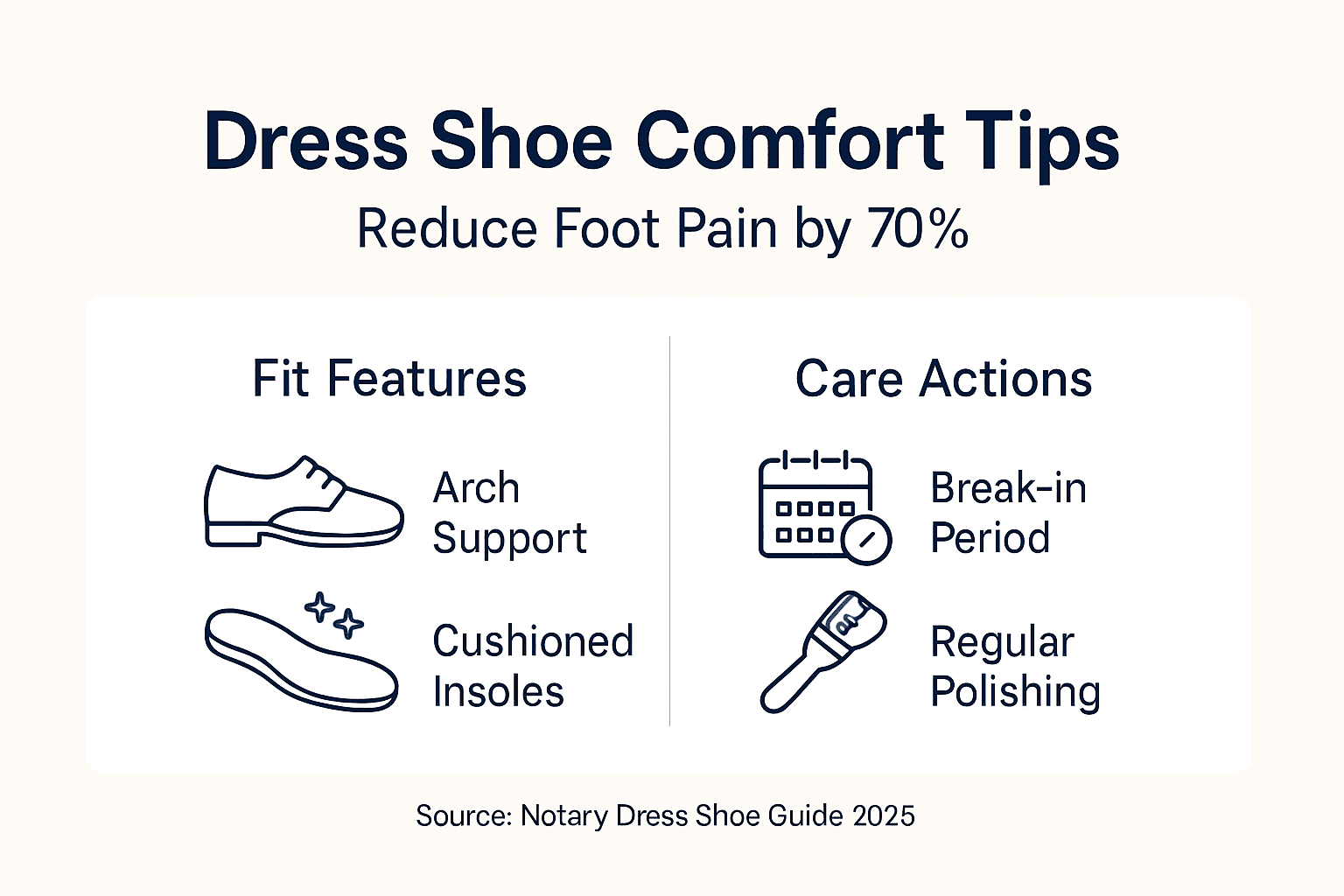
Common fit errors include buying shoes too small because they feel “formal” or choosing styles that look impressive but lack proper support. Prioritize comfort without sacrificing appearance. Explore comfort and fit advice for techniques that optimize both.
Pro Tip: If you’re between sizes, size up and use heel grips or tongue pads to fine-tune the fit. Shoes that are slightly large can be adjusted, but shoes that are too small will never become comfortable.
Maintenance and Proper Use: Preserving Shoe Quality and Professional Appearance
Regular polishing and cleaning extend shoe lifespan by 25-30% and maintain professional appearance. Polish your shoes weekly using a high-quality cream or wax polish that matches the leather color. Apply polish in small circular motions, let it dry for 10 minutes, then buff with a horsehair brush to achieve a subtle shine appropriate for professional settings.
Cleaning removes dirt and salt that degrade leather over time. Wipe your shoes with a damp cloth after each wear to remove surface debris. For deeper cleaning, use a leather cleaner every few weeks, especially during winter months when road salt is prevalent. Condition leather quarterly to prevent cracking and maintain suppleness.
Rotate your shoes to prevent uneven wear and allow leather to dry completely between wears. Leather absorbs moisture from your feet, and wearing the same pair daily doesn’t give them time to release that moisture, leading to premature breakdown. Own at least three pairs of dress shoes and rotate them on a two to three day cycle.
Proper storage preserves shape and prevents creasing:
- Use cedar shoe trees immediately after removing shoes to absorb moisture and maintain form
- Store shoes in a cool, dry place away from direct sunlight
- Keep shoes in dust bags or boxes to prevent scuffing
- Avoid stacking shoes, which can distort their shape
Breaking in shoes over several days significantly enhances comfort and prevents the leather from developing permanent stress points. Wear new shoes for short periods, gradually increasing duration as the leather softens and molds to your foot. Apply leather conditioner to accelerate the process without damaging the material. Learn specialized leather care techniques to enhance your shoes’ appearance and longevity.
For comprehensive maintenance strategies, consult a professional shoe care guide that covers seasonal considerations and advanced restoration techniques.
Pro Tip: Keep a small shoe care kit in your office with a brush, cloth, and travel-sized polish. A quick touch-up before important meetings ensures you always present a polished image.
Common Mistakes and How to Avoid Them
Over 40% of legal professionals experience discomfort or style mistakes harming professional appearance. Avoid these frequent errors to maintain both comfort and credibility:
- Buying flashy or embellished shoes: Shoes with excessive broguing, bright colors, or shiny finishes violate courtroom norms and distract from your professional message. Stick with conservative styles in black with minimal decoration.
- Neglecting proper sizing and arch support: Many professionals buy shoes based on aesthetics alone, ignoring fit and support. This leads to chronic foot pain and reduced focus during long days. Always prioritize proper fit and adequate arch support over appearance.
- Wearing brown shoes to court: While brown works in office settings, courts require black footwear. Save brown and burgundy shoes for less formal professional occasions.
- Skipping the break-in period: Wearing new shoes to important events before breaking them in causes blisters and discomfort at critical moments. Always break in shoes gradually over at least a week.
- Ignoring maintenance routines: Failing to clean, polish, and condition your shoes regularly leads to premature wear and a neglected appearance that undermines your professional image.
- Choosing style over construction quality: Inexpensive shoes with poor construction fall apart quickly and provide inadequate support. Invest in well-constructed shoes with Goodyear welting or Blake stitching for durability.
Learn from common footwear mistakes that other professionals have made. Understand what not to do so you can build a wardrobe of dress shoes that serves you reliably throughout your career. Review common dress shoe mistakes to identify issues before they affect your comfort or professional standing.
Preventing these errors starts with education and intentionality. Take time to research before purchasing, prioritize quality over trends, and commit to regular maintenance. Your shoes are a long-term investment in your professional success.
Expected Results: Comfort, Confidence, and Professional Impact
Investing in quality dress shoes delivers measurable benefits. You’ll experience reduced foot discomfort and fatigue during eight-plus hour court days, allowing you to maintain focus and energy when it matters most. Proper arch support and cushioning prevent the chronic pain that plagues professionals who compromise on footwear quality.
Your shoes can last over a decade with proper care and resoling. Goodyear welted construction allows you to replace soles multiple times, maintaining the upper leather that has molded perfectly to your feet. This longevity transforms what seems like a significant upfront investment into exceptional value over time.
Well-maintained dress shoes boost professional credibility and client confidence. Polished, well-fitted shoes increase perceived competence by judges and clients by up to 35%. When you present yourself with attention to detail, clients and colleagues assume that same meticulousness extends to your work. Your appearance becomes a silent testimony to your professionalism.
You’ll also gain confidence knowing your footwear meets every professional standard. No more worrying about whether your shoes are appropriate for court or if they’ll hold up through a long day. That mental freedom lets you focus entirely on your work, not your appearance.
The research confirms what experienced professionals know: quality footwear directly impacts professional perception and performance. Make choices that support your career trajectory.
Explore Custom Dress Shoes at MySartorial
Ready to elevate your professional footwear? Discover tailored dress shoes crafted specifically for legal and finance professionals who demand both elegance and performance. MySartorial offers full brogue dress shoes and refined Oxfords made with premium materials and Goodyear welting that ensures lasting durability.
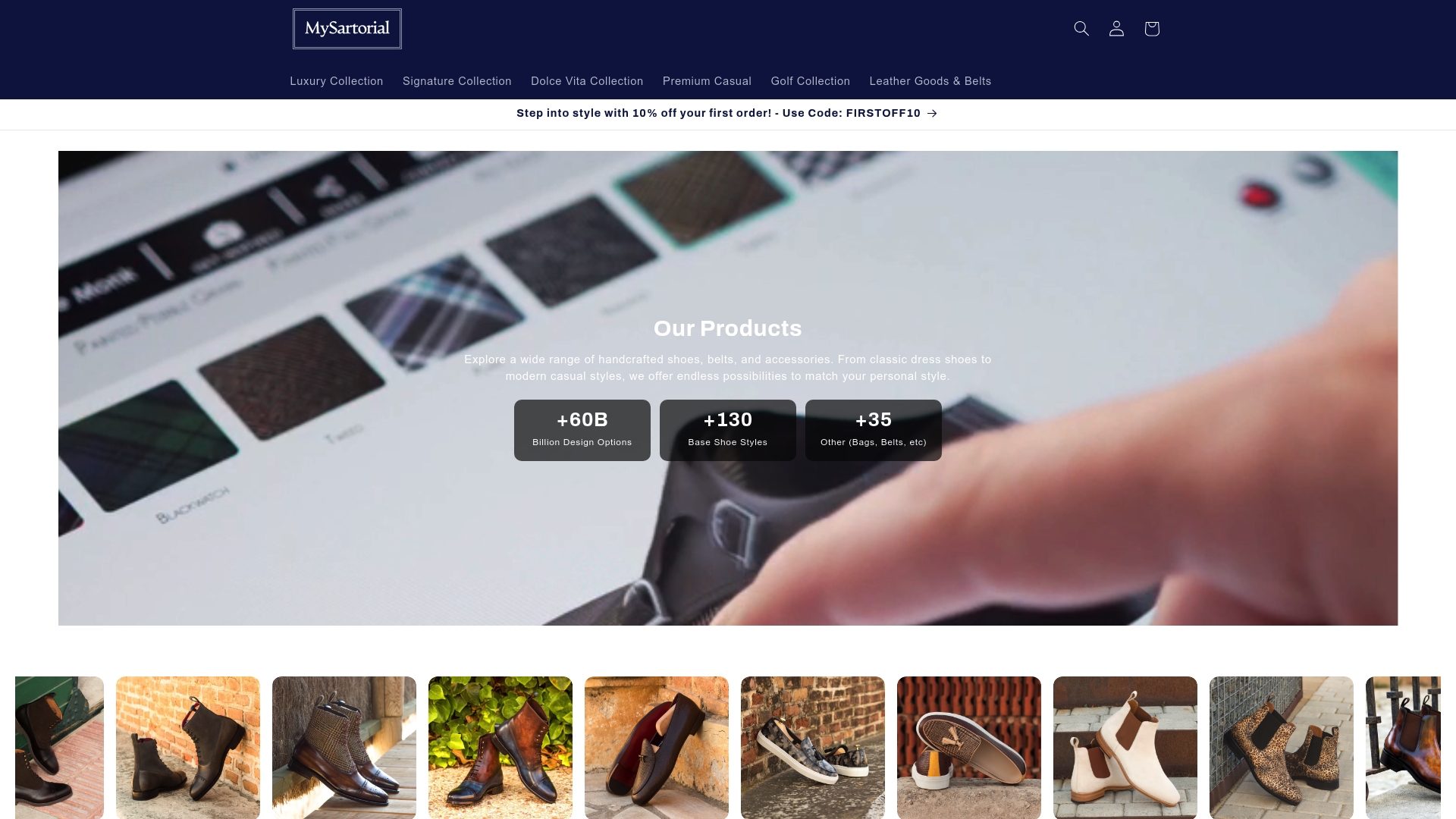
Choose from extensive customization options that let you optimize fit, style, and comfort within professional standards. Select your preferred leather type, sole construction, stitching color, and finish to create shoes that reflect your personal style while meeting courtroom requirements. Access expert advice and style inspiration through MySartorial’s comprehensive blog, where you’ll find guidance on everything from the benefits of customized shoes to advanced care techniques. Enhance your professional image with shoes designed to deliver comfort, confidence, and the distinguished appearance that sets you apart in demanding legal and finance environments.
FAQ
What’s the difference between Oxfords and Derbies in professional settings?
Oxfords feature closed lacing where the eyelets are stitched under the vamp, creating a sleek, formal appearance ideal for courtrooms and formal meetings. Derbies have open lacing with eyelets attached on top of the vamp, making them slightly less formal but more adjustable and comfortable for all-day office wear. For court appearances, always choose Oxfords.
How often should I replace or resole my dress shoes?
With proper care and rotation, quality dress shoes can last 10-15 years with periodic resoling every 2-3 years depending on wear frequency. Resole when you notice worn tread, holes in the sole, or reduced traction. Replace shoes when the upper leather develops irreparable cracks or the structure breaks down despite resoling.
Can dark brown shoes be worn in court?
No, most courtrooms require black shoes exclusively. Dark brown is acceptable in office settings and less formal client meetings but violates court dress codes. Always verify local courtroom requirements, but black remains the universally safe choice for legal professionals.
What are the best materials for breathability in dress shoes?
Full-grain leather and calfskin offer excellent breathability because their natural pores allow air circulation while wicking moisture away from your feet. Avoid synthetic materials or heavily treated leathers that trap heat and moisture. Leather-lined interiors enhance breathability compared to synthetic linings.
How long does the break-in period typically take?
Expect 5-10 days of gradual wear to properly break in quality leather dress shoes. Start with 1-2 hours daily and increase duration as the leather softens and conforms to your foot. Using leather conditioner and shoe stretchers can reduce break-in time. Never wear new shoes for a full day without breaking them in first.