

Benefits of bespoke leather goods: luxury, fit & craft
Benefits of bespoke leather goods: luxury, fit & craft
Most luxury shoppers assume premium brands deliver the best quality, but bespoke leather goods reveal a different truth. Mass-produced luxury items, no matter how expensive, cannot match the personalized fit, superior craftsmanship, and unique style that bespoke artisans create for each client. When you invest in bespoke leather goods, you gain products tailored precisely to your measurements, preferences, and lifestyle. This guide explores how bespoke leather goods offer exceptional value through superior fit, unmatched durability, ethical production, and distinctive style that elevates your professional image while supporting sustainable consumption.
Table of Contents
- Understanding Bespoke Leather Goods: Craftsmanship And Personalization
- Exclusive Benefits: Superior Fit, Durability, And Style Uniqueness
- Environmental And Ethical Advantages Of Bespoke Leather Goods
- How To Select And Customize Bespoke Leather Goods For Your Lifestyle
- Explore Bespoke Leather Goods At MySartorial
- Frequently Asked Questions
Key takeaways
| Point | Details |
|---|---|
| Personalized fit | Bespoke leather goods conform to your exact measurements, eliminating common comfort issues and enhancing daily wear experience. |
| Superior durability | Artisan construction techniques and premium materials deliver products that outlast mass-produced alternatives by years. |
| Unique style expression | Custom design elements create one-of-a-kind pieces that reflect your personal aesthetic and professional brand. |
| Ethical production | Bespoke processes support skilled artisans, reduce waste, and prioritize sustainable material sourcing over factory efficiency. |
| Long-term value | Higher initial investment pays dividends through extended product lifespan, timeless design, and reduced replacement costs. |
Understanding bespoke leather goods: craftsmanship and personalization
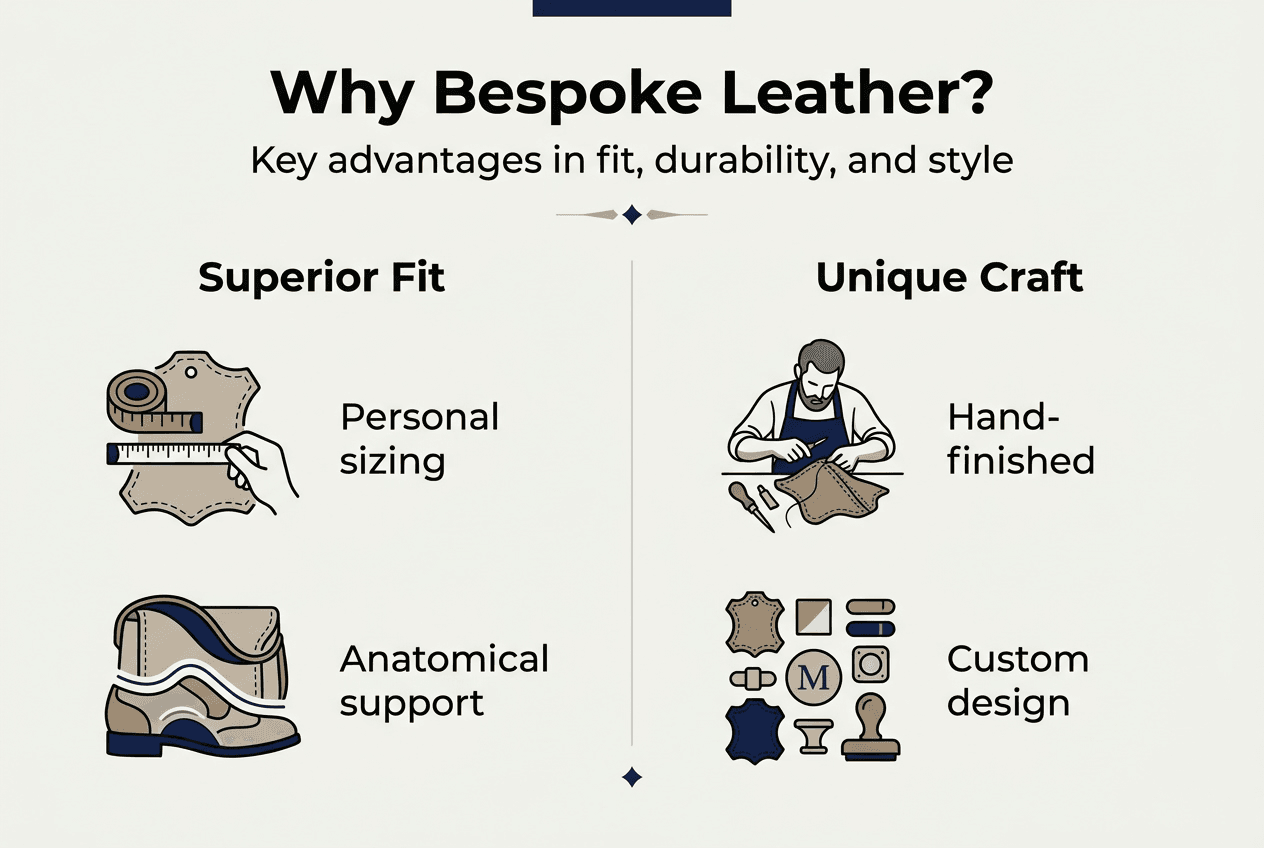
Bespoke leather goods represent the pinnacle of personalized luxury, where skilled artisans create each piece specifically for one client. Unlike ready-made products manufactured in bulk, bespoke items begin with your exact specifications, from measurements and material preferences to aesthetic details and functional requirements. This fundamental difference transforms the relationship between product and owner, creating items that feel like natural extensions of your style rather than compromises you adapt to.
The artisan techniques behind bespoke leather production distinguish these goods from factory alternatives. Custom luxury shoe crafting demonstrates how master craftspeople employ hand-stitching, careful leather selection, and time-intensive finishing methods that machines cannot replicate. Each artisan brings decades of experience to pattern cutting, lasting, and burnishing, ensuring every detail receives individual attention. These techniques create structural integrity and aesthetic refinement that mass production sacrifices for speed and cost efficiency.
Personalization influences every decision in bespoke production. You select leather types based on texture, color, and aging characteristics. You choose stitching patterns, hardware finishes, and design elements that align with your wardrobe and lifestyle. Artisans adjust patterns to accommodate your unique proportions, whether that means wider toe boxes, higher insteps, or specific arch support. This collaborative process ensures the final product serves your exact needs rather than approximating them.
The value of craftsmanship extends beyond immediate aesthetics. Hand-welted construction, careful edge finishing, and reinforced stress points create products that improve with age rather than deteriorate. Artisans build in repairability, allowing you to maintain bespoke items for decades through resoling, refinishing, and minor adjustments. This approach contrasts sharply with disposable luxury goods designed for obsolescence.
Pro Tip: When commissioning bespoke leather goods, request samples of the artisan’s previous work and ask detailed questions about construction methods to ensure their techniques align with your quality expectations.
Key elements that define bespoke craftsmanship:
- Individual pattern creation based on precise client measurements
- Hand-selected premium leathers evaluated for grain, flexibility, and character
- Traditional construction methods like Goodyear welting and hand-stitching
- Custom finishing techniques including patina application and edge burnishing
- Iterative fitting processes to achieve perfect comfort and appearance
Exclusive benefits: superior fit, durability, and style uniqueness
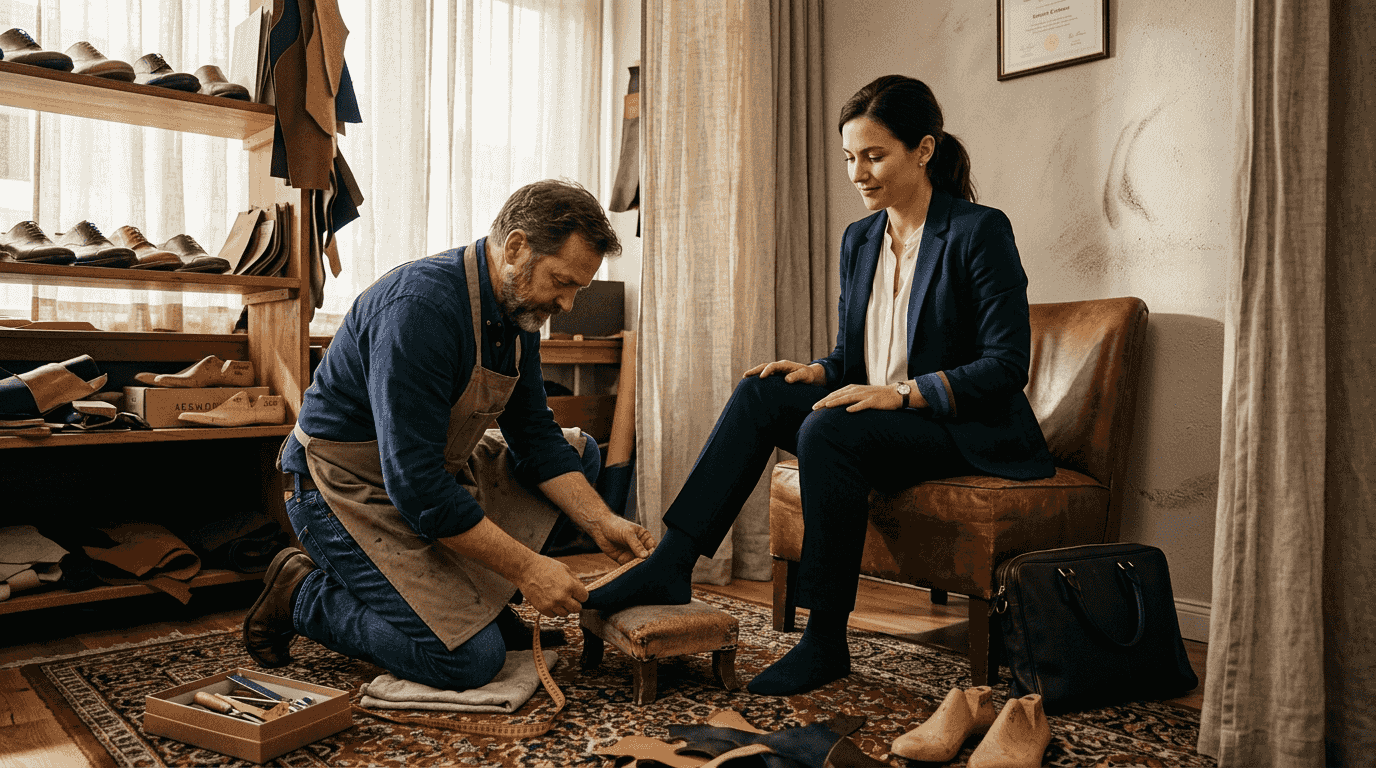
The fit advantage of bespoke leather goods transforms daily comfort and long-term foot health. Ready-made products force your feet into standardized shapes that rarely match individual anatomy. Bespoke artisans create lasts, the wooden forms that shape shoes, specifically for your feet. They account for asymmetries between left and right feet, accommodate bunions or high arches, and adjust width at multiple points along the foot. This precision eliminates the break-in period that plagues mass-produced footwear and prevents common issues like blisters, pressure points, and premature wear patterns.
Durability differences between bespoke and factory-made leather goods prove substantial. Handcrafted footwear offers three times the durability compared to mass-produced alternatives, primarily due to superior materials and construction integrity. Bespoke artisans use full-grain leather throughout, avoiding the corrected-grain or bonded leather common in factory production. They reinforce stress points with additional layers and hand-stitch critical seams that machine stitching cannot match for strength. The result is products that withstand decades of regular use while maintaining structural integrity and aesthetic appeal.
| Feature | Bespoke Leather Goods | Mass-Produced Luxury |
|---|---|---|
| Construction method | Hand-welted, hand-stitched | Machine-assembled, glued components |
| Leather quality | Full-grain, hand-selected | Corrected-grain, standardized batches |
| Fit customization | Individual lasts, multiple fittings | Standard sizing, limited width options |
| Expected lifespan | 15-30+ years with maintenance | 3-7 years typical wear |
| Repairability | Designed for resoling and refurbishment | Limited repair options, often disposable |
Style uniqueness becomes a powerful personal branding tool when you wear bespoke leather goods. Every design choice reflects your aesthetic preferences, from subtle details like contrasting stitching to bold statements like custom patina finishes. These distinctive elements signal attention to quality and individual taste in professional settings where first impressions matter. Colleagues and clients notice when your accessories demonstrate thoughtful curation rather than off-the-rack uniformity.
Common pitfalls of mass-produced luxury goods become apparent when compared to bespoke alternatives. Factory shoes often feature glued construction that fails after moderate wear, requiring complete replacement rather than repair. Standardized sizing forces compromises that affect comfort and appearance. Trendy design elements date quickly, reducing long-term wearability. Bespoke production avoids these issues through timeless design principles, superior materials, and construction methods that prioritize longevity over manufacturing efficiency.
Pro Tip: Document your bespoke specifications, including measurements, leather choices, and design details, so you can replicate successful elements in future commissions or make informed adjustments based on wear experience.
Key advantages that distinguish bespoke fit and durability:
- Anatomically precise lasts eliminate common pressure points and discomfort
- Premium leather selection ensures consistent quality throughout the product
- Reinforced construction at stress points extends functional lifespan significantly
- Repairable design allows decades of use through periodic maintenance
- Distinctive style elements create memorable personal branding opportunities
Environmental and ethical advantages of bespoke leather goods
Bespoke leather production inherently limits overproduction and waste that plague mass manufacturing. Artisans create products only after receiving specific commissions, eliminating unsold inventory that ends in landfills. This made-to-order model prevents the resource waste associated with speculative production, where factories manufacture thousands of units hoping to match consumer demand. Every hide, thread spool, and hardware component serves a confirmed purpose rather than contributing to excess inventory.
The development of natural patina enhances bespoke leather goods over time, creating beauty that improves with age. Bespoke leather goods utilize higher quality materials and ethical crafting methods that allow leather to develop rich color variations and character marks through regular use. This aging process transforms products into unique items that reflect your lifestyle and care habits. Unlike synthetic finishes that crack and peel, natural patina deepens the leather’s visual appeal while maintaining structural integrity, encouraging long-term ownership rather than replacement.
Ethical sourcing practices distinguish bespoke leather artisans from industrial manufacturers. Small workshops prioritize relationships with tanneries that practice responsible animal husbandry and environmentally conscious leather processing. They select vegetable-tanned leathers that avoid harsh chemicals common in mass production. This attention to material origins ensures your investment supports sustainable practices throughout the supply chain, from farm to finished product.
Artisan support represents another ethical dimension of bespoke leather goods. Your purchase directly compensates skilled craftspeople for their expertise, preserving traditional techniques that might otherwise disappear. These artisans typically work in small workshops with fair labor practices, reasonable hours, and safe conditions that contrast sharply with factory environments. Supporting this model helps maintain cultural heritage and specialized knowledge that enriches the craft community.
Longevity aligns perfectly with sustainable consumption principles. When products last decades rather than seasons, you reduce the environmental impact of repeated manufacturing, shipping, and disposal. Bespoke leather goods require fewer resources over their lifetime despite higher initial material quality. The ability to repair and refurbish items extends this advantage, creating a circular model where products remain in use through maintenance rather than replacement.
Environmental and ethical benefits of choosing bespoke:
- Made-to-order production eliminates speculative manufacturing waste
- Natural patina development encourages long-term ownership and appreciation
- Ethical material sourcing supports responsible tanneries and sustainable practices
- Direct artisan compensation preserves traditional skills and fair labor conditions
- Extended product lifespan reduces cumulative environmental impact significantly
- Repairable construction enables circular consumption rather than disposal
How to select and customize bespoke leather goods for your lifestyle
Selecting the right bespoke leather goods begins with honest assessment of your lifestyle needs and aesthetic preferences. Consider how you will use each item, the environments you frequent, and the impression you want to create. Professional settings may call for classic designs in versatile colors, while creative fields allow bolder choices. Evaluate your existing wardrobe to identify gaps where bespoke pieces would add the most value, whether that means foundational items like dress shoes or distinctive accessories that showcase your style.
The customization process requires thoughtful collaboration with your chosen artisan. A thoughtful customization process ensures your bespoke leather goods meet specific style and functional needs through careful planning and clear communication. Follow these steps to achieve optimal results:
- Research artisans thoroughly by examining their portfolios, reading client reviews, and understanding their specialties before committing to a commission.
- Schedule detailed consultations to discuss measurements, material options, and design preferences, bringing reference images and existing items that represent your ideal aesthetic.
- Request leather samples to evaluate texture, weight, and color in person, as digital images rarely capture these qualities accurately.
- Specify functional requirements clearly, including any foot issues, climate considerations, or usage patterns that should influence design decisions.
- Plan multiple fittings if possible, allowing adjustments during construction rather than discovering fit issues after completion.
- Document all specifications in writing, including measurements, material choices, construction methods, and design details for future reference.
- Establish realistic timelines, understanding that quality bespoke work requires weeks or months depending on complexity and artisan workload.
- Discuss maintenance requirements and care protocols to protect your investment and maximize product lifespan.
Balancing aesthetics with practicality ensures your bespoke leather goods serve you well over time. While unique design elements create visual interest, they should enhance rather than compromise functionality. Consider how decorative stitching might affect durability, whether exotic leathers suit your climate, and if bold colors will coordinate with your wardrobe long-term. The best bespoke pieces combine distinctive style with thoughtful design that supports daily wear.
Working effectively with artisans requires clear communication and mutual respect. Share detailed feedback during fittings, but trust their expertise on technical matters. Artisans understand how leather behaves, which construction methods suit different applications, and how design choices affect longevity. Collaborative relationships produce better results than dictatorial specifications that ignore practical constraints.
Pro Tip: Start your bespoke journey with a single foundational piece rather than commissioning an entire wardrobe, allowing you to evaluate the artisan’s work quality and refine your preferences before making larger investments.
Maintaining bespoke leather goods properly extends their already impressive lifespan. Regular cleaning with appropriate products, conditioning to prevent drying, and professional repairs when needed keep items in excellent condition. Store leather goods with proper support to maintain shape, rotate usage to allow materials to rest, and address minor issues promptly before they become major problems. This care routine protects your investment while allowing natural patina to develop beautifully.
Explore bespoke leather goods at MySartorial
Ready to experience the superior quality and personalized fit that bespoke leather goods deliver? MySartorial specializes in handcrafted European footwear and accessories that combine traditional artisan techniques with modern customization options. Our extensive collection allows you to select from classic designs or create truly unique pieces tailored to your exact specifications.
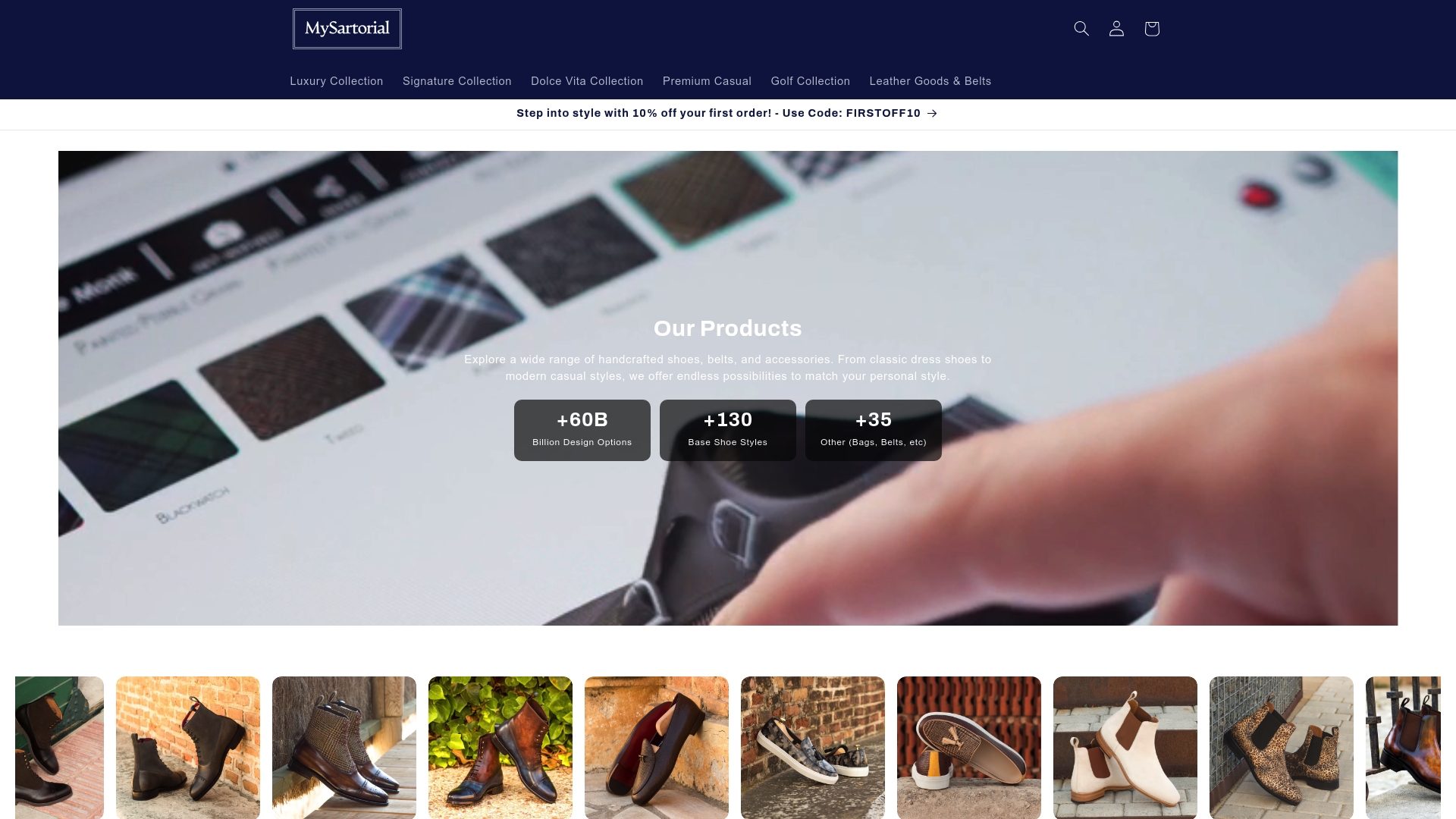
Explore our leather goods and belts collection featuring premium materials and meticulous construction that exemplify bespoke quality. Each piece undergoes rigorous quality control and offers customization options that let you choose finishes, stitching, and design details. Our leather works page showcases the craftsmanship behind every product, demonstrating the attention to detail that distinguishes MySartorial from mass-produced alternatives. Professional guidance throughout your selection and customization process ensures you receive leather goods that exceed expectations and serve you beautifully for decades.
Frequently asked questions
What makes bespoke leather goods worth the higher investment?
Bespoke leather goods justify their premium pricing through superior fit, exceptional durability, and unique style that mass-produced items cannot match. The personalized construction process creates products tailored to your exact measurements and preferences, eliminating common comfort issues while delivering distinctive pieces that enhance your professional image. Extended lifespan and repairability mean lower cost per wear over decades of use.
How long does the bespoke leather goods process typically take?
Most bespoke leather commissions require 8 to 16 weeks from initial consultation to delivery, depending on design complexity and artisan workload. This timeline includes measurement sessions, material selection, construction, and fitting adjustments. Rush orders may be possible for additional fees, but quality bespoke work cannot be hurried without compromising results.
Can bespoke leather goods accommodate specific foot problems or unusual proportions?
Bespoke construction excels at addressing individual anatomical needs that standard sizing cannot accommodate. Artisans create custom lasts that account for bunions, high arches, wide forefeet, narrow heels, and asymmetries between left and right feet. This personalized approach often eliminates discomfort that clients assumed was inevitable with any footwear.
How do I maintain bespoke leather goods to maximize their lifespan?
Regular maintenance includes cleaning with leather-appropriate products, conditioning every few months to prevent drying, and storing items with proper support to maintain shape. Professional resoling and refurbishing every few years keeps bespoke footwear in excellent condition. Address minor issues like loose stitching or worn edges promptly to prevent more extensive damage.
Are bespoke leather goods more environmentally friendly than luxury brand alternatives?
Bespoke production offers significant environmental advantages through made-to-order manufacturing that eliminates waste, use of premium materials that last decades, and repairable construction that extends product life. Supporting small artisan workshops also promotes ethical labor practices and preserves traditional craftsmanship. The reduced replacement cycle means fewer resources consumed over your lifetime compared to repeatedly purchasing mass-produced luxury goods.