

Types of dress shoes for surgeons: comfort and style in 2026
Surgeons face a unique challenge when selecting dress shoes that deliver professional elegance while supporting their feet through marathon shifts in the operating room. The right footwear must balance refined aesthetics with exceptional comfort features, slip resistance, and durability to withstand hours of standing on hard hospital floors. This guide explores the most practical dress shoe types for surgeons in 2026, covering essential selection criteria, popular styles, and expert tips to help you find shoes that enhance both your professional image and foot health throughout demanding workdays.
Table of Contents
- How To Evaluate Dress Shoes For Surgeons: Key Selection Criteria
- Top Dress Shoe Types For Surgeons In 2026
- Comparing Dress Shoe Options: A Side-By-Side Overview
- Choosing The Right Dress Shoe For Your Daily Surgical Routine
- Explore Tailored Dress Shoes And Leather Goods From Mysartorial
- FAQ
Key takeaways
| Point | Details |
|---|---|
| Comfort and style coexist | Surgeons need dress shoes combining professional appearance with all-day support features |
| Multiple style options available | Oxfords, loafers, brogues, and whole cuts each offer distinct advantages for medical professionals |
| Material quality matters | Leather uppers and supportive soles directly impact durability and foot health during long shifts |
| Hospital compliance essential | Verify dress codes and hygiene standards before selecting your footwear |
| Custom options add value | Personalized fit and design features enhance comfort for surgeons spending extensive time on their feet |
How to evaluate dress shoes for surgeons: key selection criteria
Selecting the right dress shoes requires evaluating multiple factors that directly impact your comfort and professional presentation. Comfort and durability are top priorities for medical professionals who spend 10 to 14 hours on their feet daily.
Start by assessing comfort features. Look for shoes with adequate cushioning in the insole and midsole to absorb shock from hard hospital floors. Arch support prevents fatigue and reduces strain on your feet, ankles, and lower back. Breathable materials like quality leather allow air circulation, preventing moisture buildup that leads to discomfort and odor during extended wear.
Material quality determines both longevity and style. Full-grain leather uppers offer superior durability while maintaining a polished appearance that meets professional standards. The leather should feel supple yet structured, conforming to your foot shape over time without losing its form. Synthetic alternatives can work for budget-conscious buyers but typically lack the breathability and longevity of genuine leather.
Sole construction deserves careful consideration. Rubber soles provide excellent slip resistance on polished hospital floors and reduce impact fatigue better than traditional leather soles. However, leather soles offer a more refined aesthetic for formal settings outside the operating room. Some manufacturers now offer hybrid solutions combining rubber traction with leather aesthetics.
Hospital dress codes vary significantly. Some facilities require closed-toe shoes with specific slip resistance ratings, while others permit more flexible footwear choices in non-surgical areas. Review your workplace guidelines before investing in new dress shoes. Additionally, consider hygiene standards, as smooth leather surfaces are easier to clean and sanitize than heavily textured materials.
Fit quality cannot be compromised. Shoes should provide a snug heel fit while allowing adequate toe room to prevent cramping during long periods of standing. Width sizing matters as much as length. Visit a notary dress shoe guide 2026 for detailed fitting advice applicable to medical professionals.
Pro Tip: Choose shoes with removable insoles so you can replace them with custom orthotics or specialized inserts tailored to your foot structure and support needs.
Top dress shoe types for surgeons in 2026
Several classic dress shoe styles meet the demanding requirements of surgical professionals while maintaining sophisticated aesthetics. Understanding each type’s characteristics helps you select the best option for your specific needs.
Oxford shoes represent the pinnacle of formal footwear with their closed lacing system where the eyelets are stitched under the vamp. This construction creates a sleek, streamlined silhouette perfect for professional settings. Oxfords typically feature low heels and structured toe boxes that maintain their shape throughout the day. The formal appearance makes them ideal for consultations, conferences, and administrative duties. Modern Oxfords often incorporate cushioned insoles and flexible construction that previous generations lacked, making them surprisingly comfortable for extended wear.
Loafers offer unmatched convenience with their slip-on design that eliminates lacing while maintaining a refined appearance. Penny loafers and tassel loafers bring classic styling, while more contemporary designs feature elastic goring for improved fit. The ease of removal makes loafers practical for surgeons who frequently change into surgical clogs. Quality loafers mold to your feet over time, creating a personalized fit that enhances comfort. Their versatility allows seamless transitions from clinical settings to professional meetings.
Brogues distinguish themselves through decorative perforations called broguing along the edges and toe cap. These perforations originally served a functional purpose for water drainage but now provide distinctive aesthetic appeal. Full brogues (wingtips) feature elaborate patterns, while semi-brogues offer subtler decoration. The slightly less formal appearance compared to plain Oxfords makes brogues excellent for surgeons seeking personality in their footwear without sacrificing professionalism. Modern brogues often incorporate the same comfort technologies found in athletic shoes.
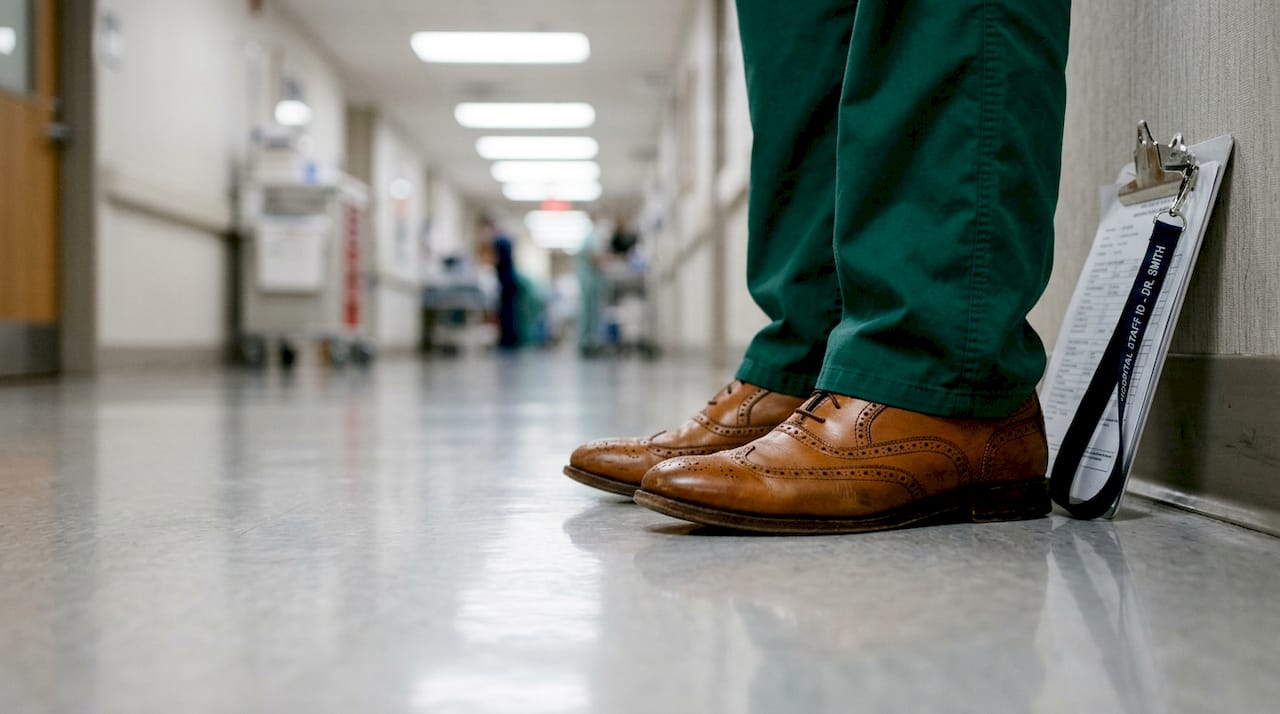
Whole cut shoes are crafted from a single piece of leather with minimal seaming, creating an exceptionally smooth, minimalist appearance. This construction method showcases leather quality and craftsmanship while reducing potential pressure points from seams. The seamless design also simplifies cleaning and maintenance, an important consideration in medical environments. Whole cuts represent a premium option for surgeons prioritizing both aesthetics and comfort.
Types of dress shoes for consultants stylish options 2026 provides additional insights into professional footwear that applies equally to medical professionals seeking refined yet practical options.
Custom dress shoes offer the ultimate solution for surgeons with specific fit requirements or style preferences. Customization allows you to select leather type, sole construction, width specifications, and design details that align with your needs. While custom shoes require higher initial investment, the personalized fit and quality construction often result in superior comfort and longer lifespan compared to off-the-rack alternatives.
Comparing dress shoe options: a side-by-side overview
A structured comparison helps clarify which dress shoe type best matches your professional requirements and personal preferences.
| Shoe type | Comfort | Style | Durability | Ease of wear | Hospital suitability | | — | — | — | — | — | | Oxfords | Good with quality insoles | Highly formal and professional | Excellent with proper care | Requires lacing | Ideal for all professional settings | | Loafers | Very good for all-day wear | Versatile, slightly less formal | Good, varies by construction | Excellent, slip-on convenience | Suitable if dress code permits | | Brogues | Good, similar to Oxfords | Classic with decorative flair | Excellent, robust construction | Requires lacing | Appropriate for most hospital environments | | Whole cuts | Excellent, minimal seams | Refined, minimalist elegance | Superior with premium leather | Requires lacing | Perfect for professional settings | | Custom shoes | Outstanding, tailored fit | Personalized to preferences | Exceptional with proper materials | Varies by design | Adaptable to specific requirements |
Each style presents distinct advantages. Oxfords deliver unmatched formality but require proper break-in periods. Loafers sacrifice slight formality for superior convenience, making them practical for surgeons who change footwear frequently. Brogues balance personality with professionalism through decorative elements. Whole cuts showcase craftsmanship while minimizing pressure points. Custom options address specific foot conditions or style requirements that standard shoes cannot accommodate.
Customizing formal footwear for professionals 2026 explores how personalization enhances both comfort and style for demanding professional environments.
Pro Tip: Pair your chosen dress shoes with custom orthotic insoles designed specifically for your foot structure to maximize support during long surgical shifts and reduce fatigue.
Sole quality often matters more than style for comfort. Leather soles with rubber topsoles or full rubber soles provide better shock absorption and slip resistance than traditional leather alone. Consider investing in multiple pairs and rotating them daily to extend lifespan and allow shoes to fully dry between wears.
Choosing the right dress shoe for your daily surgical routine
Selecting optimal footwear requires evaluating your specific professional demands and personal comfort needs through a systematic approach.
-
Assess your daily routine specifics. Calculate average hours spent standing versus walking, noting whether you work primarily in operating rooms, clinics, or administrative offices. Surgeons performing lengthy procedures need maximum cushioning and arch support, while those with varied duties might prioritize versatility.
-
Evaluate your facility’s flooring and environment. Polished tile floors common in hospitals require excellent slip resistance, while carpeted administrative areas allow more flexibility. Consider whether you encounter liquids or need shoes that clean easily. Temperature and humidity levels in your workspace also influence material selection.
-
Review dress code requirements thoroughly. Obtain written guidelines if available, noting specific restrictions on open-toe shoes, heel heights, or color requirements. Some facilities mandate specific slip resistance ratings or require closed-back designs. Understanding these parameters prevents costly purchasing mistakes.
-
Consider your foot health history. Previous injuries, plantar fasciitis, bunions, or other conditions require specialized support features. Consult a podiatrist for recommendations on arch support, cushioning levels, and fit specifications that address your particular needs. Long surgical shifts require shoes with superior support features to reduce fatigue and prevent chronic foot problems.
-
Test multiple styles before committing. Visit retailers allowing extended try-on periods or offering generous return policies. Wear candidate shoes around your home for several hours to identify pressure points or discomfort that brief store trials miss. Pay attention to how shoes feel after standing for extended periods, not just during initial fitting.
-
Balance aesthetic preferences with functional requirements. While style matters for professional presentation, comfort and safety take priority for footwear worn 50-plus hours weekly. Identify styles that satisfy both criteria rather than compromising health for appearance.
-
Invest appropriately for frequency of use. Surgeons wearing dress shoes daily benefit from premium options with superior construction and materials. Those alternating between dress shoes and surgical clogs might allocate budgets differently. Quality shoes properly maintained last years, making higher initial costs worthwhile for regular wearers.
Explore tailored dress shoes and leather goods from MySartorial
Finding dress shoes that truly support your demanding surgical career requires access to quality craftsmanship and customization options. MySartorial specializes in handcrafted European footwear designed for professionals who refuse to compromise between style and comfort. Each shoe combines traditional Italian techniques with modern comfort technologies, creating footwear that performs throughout marathon shifts while maintaining refined aesthetics.
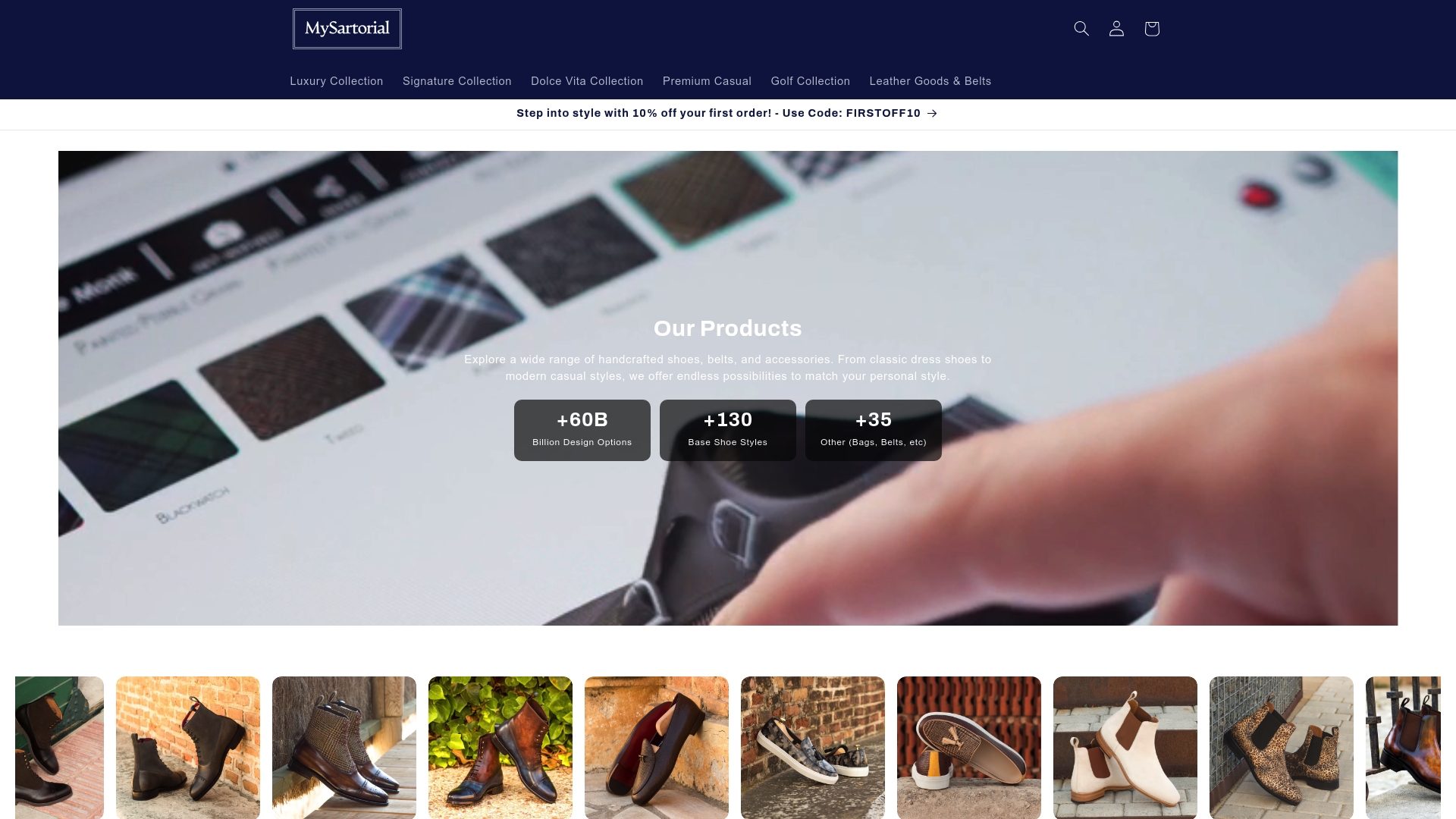
The collection features classic Oxfords, versatile loafers, and distinctive brogues crafted from premium leathers with customizable details including sole types, stitching colors, and patina finishes. Goodyear welt construction ensures durability and allows resoling to extend your investment’s lifespan. Beyond footwear, explore leather goods and belts that complement your professional wardrobe with the same attention to quality and detail. Browse the complete leather goods and belts selection to discover accessories that elevate your entire professional presentation while meeting the practical demands of medical practice.
FAQ
What are the best dress shoe materials for surgeons?
Full-grain leather remains the optimal choice for surgeon dress shoes, offering superior breathability that prevents moisture buildup during long shifts while developing a distinguished patina over time. Quality leather naturally conforms to your foot shape, creating personalized comfort that synthetic materials cannot replicate. For enhanced water resistance in clinical environments, consider leather treated with protective finishes or high-quality synthetic alternatives specifically designed for medical professionals. Smooth leather surfaces simplify cleaning and sanitization, meeting strict hospital hygiene requirements while maintaining professional appearance throughout demanding workdays.
Can surgeons wear loafers in the operating room?
Loafers provide excellent comfort and convenience for surgeons, but their appropriateness in operating rooms depends entirely on your facility’s specific dress code and sterile environment protocols. Many hospitals require closed-toe, closed-back footwear in surgical suites, which traditional loafers may not satisfy. However, loafers work perfectly in clinics, consultation rooms, and administrative areas where formal footwear enhances professional presentation. Always confirm your hospital’s written guidelines before purchasing loafers intended for surgical settings, and consider maintaining separate footwear for operating rooms versus other professional duties.
How important is shoe fit for long surgical shifts?
Proper fit is absolutely critical for surgeons enduring 10 to 14-hour shifts, as poorly fitting shoes cause immediate discomfort and contribute to chronic conditions including plantar fasciitis, bunions, and lower back pain. Shoes should provide snug heel retention preventing slippage while allowing adequate toe box space for natural foot expansion during prolonged standing. Width sizing matters equally to length, as lateral pressure creates painful hotspots and circulation issues. Consider professional fitting services or custom options if standard sizes fail to accommodate your foot structure, and invest in quality insoles or orthotics that provide personalized arch support tailored to your biomechanics.
Are custom dress shoes worth investing in for surgeons?
Custom dress shoes represent an excellent investment for surgeons who wear professional footwear daily and struggle to find proper fit in standard sizes. Personalized construction addresses specific foot conditions, unusual proportions, or biomechanical needs that off-the-rack options cannot accommodate, potentially preventing chronic pain and medical issues. Beyond fit, customization allows you to select optimal sole types, leather qualities, and design details that align with your professional requirements and aesthetic preferences. While custom shoes require higher upfront costs, typically ranging from several hundred to over a thousand dollars, the superior comfort, extended lifespan, and ability to resole quality construction often provide better long-term value than repeatedly replacing inadequate standard shoes.