

Custom shoe selection guide for professionals 2026
Professionals in finance and law know that every detail of appearance matters. Your footwear speaks volumes about your attention to quality, personal style, and career commitment. Yet finding shoes that balance professional standards with individual expression remains challenging. Mass-produced options rarely deliver the craftsmanship, fit, or customization discerning professionals demand. This guide walks you through selecting custom luxury shoes that elevate your image, ensure lasting comfort, and reflect your unique style. You’ll learn to assess your needs, evaluate materials and craftsmanship, navigate the selection process, and avoid common pitfalls.
Table of Contents
- Understanding Your Professional Footwear Needs
- Materials And Craftsmanship: Ensuring Quality And Longevity
- Step-By-Step Custom Shoe Selection Process
- Avoiding Common Mistakes And Ensuring Lasting Satisfaction
- Explore Handcrafted Leather Goods And Belts At Mysartorial
- Frequently Asked Questions
Key takeaways
| Point | Details |
|---|---|
| Custom shoes elevate image | Personalized footwear enhances professional appearance and confidence through tailored style. |
| Materials determine longevity | Understanding leather types and construction techniques ensures durability and comfort. |
| Stepwise selection prevents mistakes | Following a clear process from measurement to fitting guarantees satisfaction and proper fit. |
| Quality craftsmanship matters | Handcrafted European techniques deliver superior shoes that last decades with proper care. |
| Customization offers unique value | Tailoring details like soles, stitching, and finishes creates shoes that match your lifestyle. |
Understanding your professional footwear needs
Before selecting custom shoes, you must clarify what your professional environment and personal style demand. Finance and law settings typically require formal footwear that projects authority and sophistication. Start by reviewing your workplace dress code. Conservative firms often expect classic styles like oxfords or cap-toe derbies in black or dark brown. More progressive environments may welcome monk straps or brogues with subtle detailing.
Consider your daily activities. Do you spend hours in client meetings, court appearances, or at your desk? Walking between offices or standing during presentations affects comfort requirements. Shoes with proper arch support, cushioned insoles, and flexible construction prevent fatigue during long days. Custom luxury shoes reflect personal style while meeting professional demands.
Identify style elements that express your personality within professional boundaries:
- Leather color and finish (polished black, burnished brown, subtle patina effects)
- Stitching details (contrasting threads, decorative broguing, clean minimal lines)
- Sole options (leather for tradition, rubber for traction, combination for versatility)
- Hardware choices (metal eyelets, lace styles, buckle finishes on monk straps)
- Toe shapes (rounded, square, slightly pointed to complement your aesthetic)
Defining these preferences upfront streamlines conversations with craftsmen and ensures your shoes align with both career requirements and personal taste. Take time to study professional shoe styles online, noting which designs resonate with you. Create a reference collection of images showing details you admire. This preparation transforms vague ideas into concrete specifications your shoemaker can execute.
Materials and craftsmanship: ensuring quality and longevity
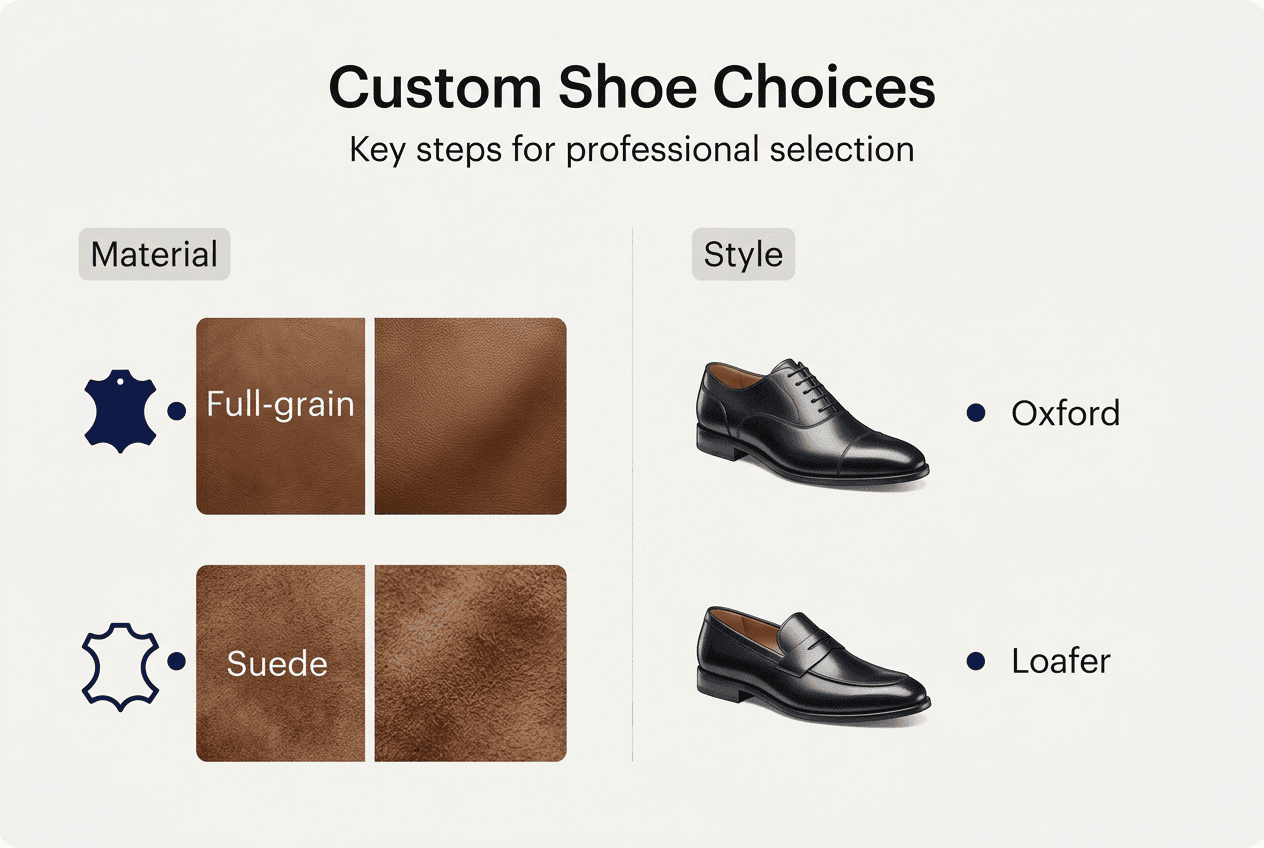
Material selection directly impacts how your shoes look, feel, and age over years of wear. Full-grain leather remains the gold standard for luxury footwear. This top layer of hide retains natural grain patterns and develops rich patina over time. Calfskin offers exceptional softness and fine texture, ideal for dress shoes requiring polish and elegance. Exotic leathers like cordovan provide unique character and extraordinary durability, though at premium prices.
Craftsmanship techniques separate exceptional shoes from mediocre ones. Goodyear welt construction attaches the upper leather to the sole through a separate welt strip, allowing resoling and providing water resistance. This method creates shoes that last decades with proper maintenance. Blake stitch offers a sleeker profile by stitching the upper directly to the sole, delivering flexibility and lighter weight suitable for warmer climates or less formal settings. Handcrafted footwear offers three times the durability and unique style compared to mass-produced shoes.
Sole materials deserve careful consideration:
- Leather soles provide traditional elegance and breathability but require break-in and offer less traction
- Rubber soles deliver superior grip and weather resistance while maintaining professional appearance
- Combination soles blend leather aesthetics with rubber functionality through strategic placement
- Vibram and Dainite branded soles offer proven performance for professionals who walk extensively
Artisan expertise transforms quality materials into exceptional footwear. European craftsmen bring generations of knowledge to every pair, hand-selecting leather, carefully lasting each shoe, and finishing details with precision. Factory production prioritizes speed over individuality, resulting in shoes that fit adequately but never perfectly. Bespoke makers invest hours in understanding your feet, gait, and preferences before cutting a single piece of leather.
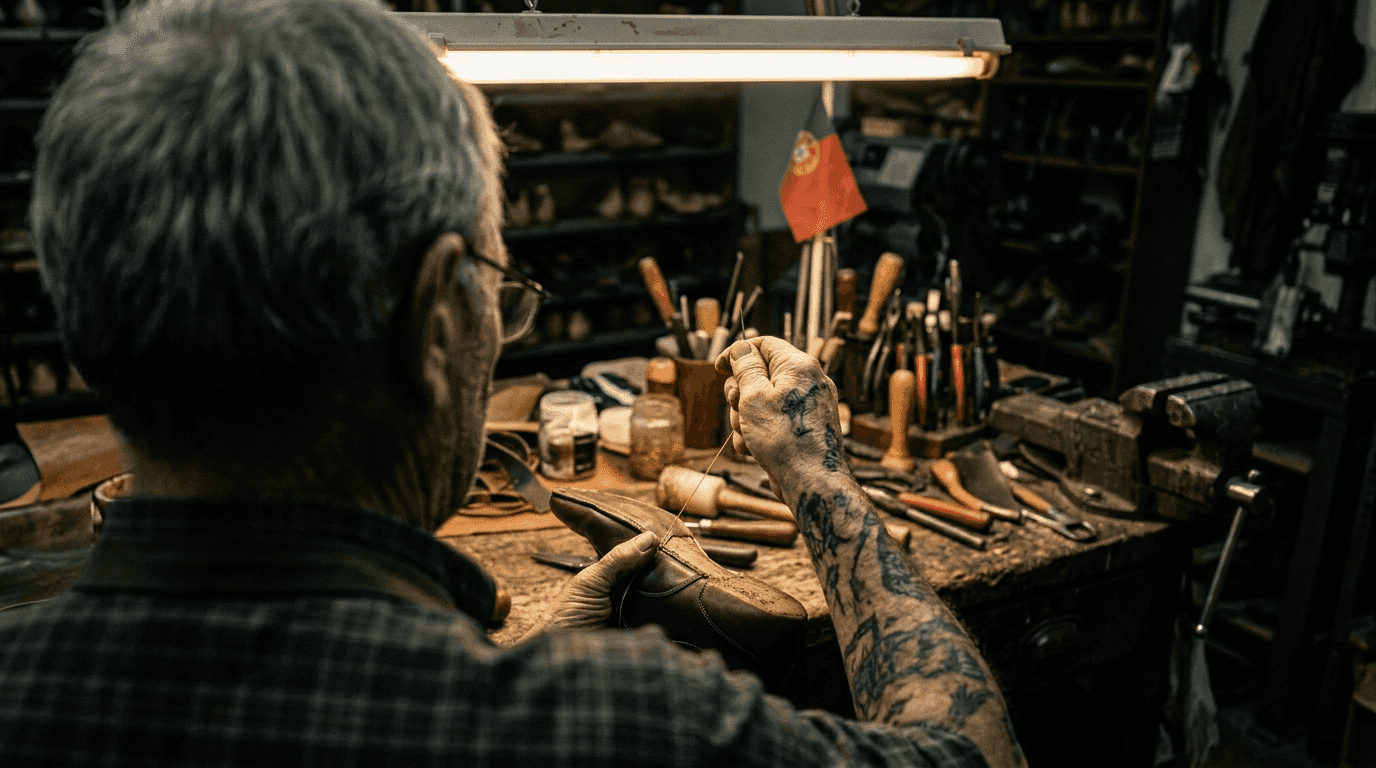
Pro Tip: Choose bespoke or made-to-order shoes over ready-to-wear options to maximize lifespan and achieve perfect fit. The initial investment pays dividends through years of comfortable wear and timeless style that never requires replacement due to poor fit or premature wear.
Step-by-step custom shoe selection process
Selecting custom shoes follows a logical sequence that ensures satisfaction. Understanding each phase helps you collaborate effectively with craftsmen and make informed decisions. A clear, stepwise approach simplifies the complex process of crafting personalized luxury footwear.
-
Schedule a comprehensive foot measurement session. Professional shoemakers assess length, width, arch height, instep shape, and any asymmetries between feet. They observe your natural stance and gait to identify pressure points requiring accommodation. Accurate measurements form the foundation for shoes that fit like second skin.
-
Select materials and style elements based on your professional needs and aesthetic preferences. Review leather samples in person when possible, examining grain, suppleness, and color depth. Choose construction method, sole type, and finishing details. Discuss lifestyle factors like climate, walking surfaces, and care commitment to guide appropriate choices.
-
Consult with your craftsman to finalize design specifications. Share reference images and describe how you’ll wear these shoes. A skilled maker offers suggestions based on experience, potentially recommending adjustments that enhance comfort or durability. This collaborative dialogue ensures the final design serves your needs perfectly.
-
Attend the first fitting once your shoes reach initial completion. Try them on and walk naturally while the maker observes fit and movement. Communicate any pressure points, tightness, or discomfort immediately. Minor adjustments to the last or additional break-in may address issues before final finishing.
-
Receive your completed shoes during final fitting. Verify all specifications match your order and the fit feels comfortable during extended wear. Your maker should provide care instructions and maintenance recommendations specific to your chosen materials and construction.
| Customization Option | Benefits | Recommended For |
|---|---|---|
| Full-grain calfskin | Develops rich patina, exceptional durability | Daily professional wear, formal occasions |
| Goodyear welt construction | Resoleable, water-resistant, long-lasting | Investment pieces, variable weather |
| Leather sole | Traditional elegance, breathability | Indoor professionals, formal settings |
| Rubber sole | Superior traction, weather protection | Active professionals, outdoor walking |
| Contrasting stitching | Subtle personality, refined detail | Modern professionals, creative expression |
Pro Tip: Communicate openly with your shoemaker about lifestyle and comfort preferences. Mention if you have wide feet, high arches, or spend hours standing. Honest dialogue enables craftsmen to build shoes that serve you perfectly rather than following generic patterns.
Avoiding common mistakes and ensuring lasting satisfaction
Even informed buyers make errors when selecting custom shoes. Understanding frequent pitfalls helps you navigate the process confidently and secure a worthwhile investment. Poor sizing tops the list of mistakes. Rushing measurements or failing to account for foot swelling during the day results in uncomfortable shoes you’ll avoid wearing. Always schedule fittings later in the day when feet reach maximum size.
Ignoring quality signals leads to disappointing purchases. Examine stitching for consistency and tight spacing. Inspect leather for uniform thickness and natural grain patterns. Question construction methods and request details about materials. Reputable makers welcome scrutiny and proudly explain their techniques. Evasive answers or reluctance to provide specifics suggests inferior quality.
Rushing the selection process undermines customization benefits. Investing in fully customized shoes prevents fit issues and enhances professional appearance. Take time to consider options, review samples, and ask questions. Hasty decisions often result in shoes that miss the mark on style, comfort, or functionality.
| Common Mistake | Best Practice |
|---|---|
| Accepting generic sizing | Insist on comprehensive foot measurement and gait analysis |
| Choosing style over comfort | Balance aesthetic preferences with ergonomic requirements |
| Neglecting sole selection | Match sole type to your daily activities and walking surfaces |
| Skipping care instructions | Learn proper maintenance routines before taking delivery |
| Ignoring break-in period | Wear new shoes gradually to allow leather molding and settling |
Proper shoe care extends the life and appearance of your investment significantly. Follow these expert tips:
- Use cedar shoe trees immediately after wearing to absorb moisture and maintain shape
- Rotate shoes regularly, never wearing the same pair consecutive days
- Clean and condition leather monthly with appropriate products for your leather type
- Resole shoes when wear becomes visible rather than waiting for holes to develop
- Store shoes in breathable bags away from direct sunlight and heat sources
- Polish regularly to nourish leather and maintain professional appearance
- Address scuffs and damage promptly to prevent permanent marking
Identifying quality craftsmanship requires attention to specific details. Examine the welt attachment for even stitching without gaps or irregularities. Check that left and right shoes match perfectly in color, finish, and proportions. Verify that soles attach securely with no separation or adhesive visible. Flex the shoe gently to confirm the construction allows natural movement without creaking or resistance. Quality shoes feel substantial without excessive weight, indicating proper material selection and expert assembly.
Explore handcrafted leather goods and belts at MySartorial
Completing your professional wardrobe extends beyond footwear. MySartorial offers premium handcrafted leather belts that complement custom shoes perfectly, maintaining the same commitment to quality, craftsmanship, and personalization. These accessories feature the same European artisan techniques and attention to detail that define their footwear collections.
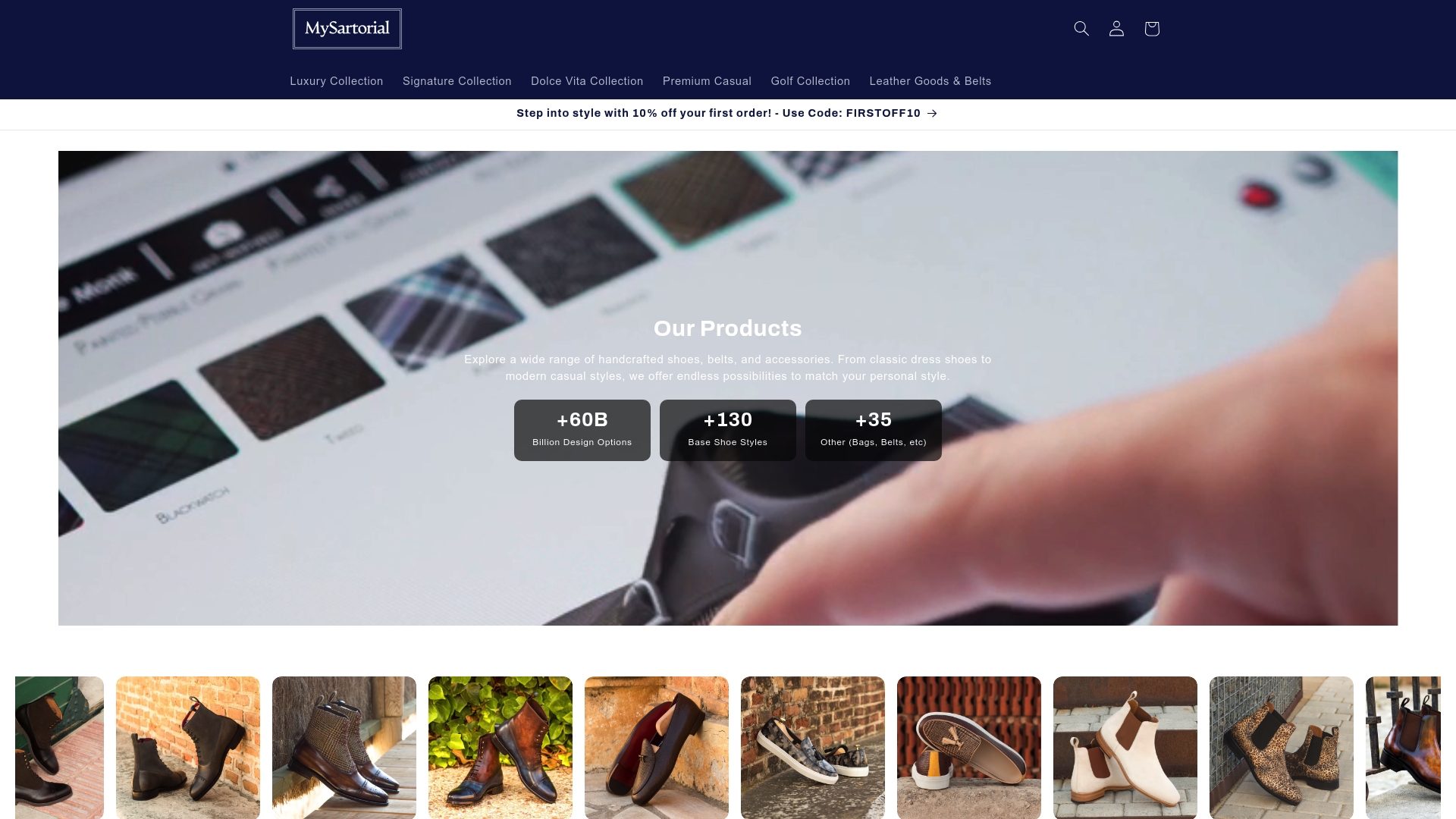
The leather goods collection provides options to match any professional style, from classic dress belts in full-grain leather to more casual designs with distinctive hardware. Like their shoes, these pieces allow customization of finishes, stitching, and details to create accessories uniquely yours. Coordinating your belt with your footwear demonstrates the attention to detail that distinguishes exceptional professionals.
Key benefits of MySartorial leather accessories:
- European craftsmanship ensuring decades of reliable wear
- Customizable options matching your shoe specifications
- Premium materials that develop character over time
- Designs suitable for conservative and modern professional settings
Investing in coordinated leather goods elevates your entire professional presentation, creating a cohesive image that reflects your commitment to quality and personal style.
Frequently asked questions
What is the average timeline for receiving custom shoes?
Typical production and delivery take six to eight weeks depending on design complexity and the maker’s current workload. Bespoke shoes requiring multiple fittings may extend this timeline to three or four months. Initial fittings happen around the four-week mark for adjustments before final finishing. Rush orders sometimes accommodate shorter timelines at premium cost, though this may compromise quality or limit customization options.
What styles work best for formal finance and law professionals?
Oxford shoes in black or dark brown remain the most conservative and universally appropriate choice for traditional finance and law environments. Cap-toe oxfords project maximum formality for court appearances and senior client meetings. Whole-cut oxfords offer sleek sophistication for modern professionals. Derby shoes provide slightly less formality while maintaining professional appearance, suitable for daily office wear. Monk strap shoes work in progressive firms that welcome individual style expression within professional boundaries.
How should I care for my custom leather shoes to maintain quality?
Use cedar shoe trees after every wear to absorb moisture and preserve shape. Clean shoes weekly with a soft brush to remove dirt and dust before it embeds in leather grain. Condition leather monthly using cream or conditioner appropriate for your leather type, applying thin layers and buffing to a subtle shine. Polish every two to three wears to nourish leather and maintain professional appearance. Rotate shoes regularly, allowing at least 24 hours rest between wears for leather to dry completely and recover its structure.
Can I customize sole types for comfort and durability?
Yes, reputable custom shoemakers offer multiple sole options tailored to your needs. Leather soles provide traditional elegance and breathability, ideal for primarily indoor professionals. Rubber soles deliver superior traction and weather resistance for those who walk extensively outdoors. Combination soles feature leather in the forefoot with rubber heel sections, balancing aesthetics with functionality. Branded performance soles like Vibram or Dainite offer proven durability for demanding professional lifestyles. Discuss your daily activities with your maker to select the optimal sole configuration.
Are there benefits to investing in bespoke shoes over ready-made options?
Bespoke shoes deliver perfect fit impossible with mass-produced footwear, eliminating pressure points and accommodating foot asymmetries. This precision fit prevents common problems like blisters, calluses, and fatigue during long professional days. Custom shoes use superior materials and construction methods, typically lasting decades with proper care versus years for ready-made alternatives. The ability to specify every detail ensures shoes match your exact professional and style requirements. While initial costs exceed ready-made shoes, the per-wear cost over a shoe’s lifetime makes bespoke options economically sensible for professionals who value quality and comfort.