

Custom luxury shoe guide: crafting handmade footwear
Finding luxury shoes that fit perfectly and reflect your personal style is frustrating. Most professionals settle for mass-produced designs that never quite match their needs or comfort expectations. This step-by-step guide breaks down the custom handcrafted shoe-making process, giving you the knowledge to understand how European artisans create perfectly fitted footwear tailored to your exact specifications and style preferences.
Table of Contents
- Prerequisites And Essential Materials
- Measuring And Creating The Custom Last
- Designing, Pattern Making, And Cutting Materials
- Assembling, Lasting, And Finishing The Shoe
- Troubleshooting Common Mistakes And Expected Outcomes
- Discover Premium Leather Goods And Bespoke Shoe Craftsmanship
- Frequently Asked Questions
Key takeaways
| Point | Details |
|---|---|
| Custom shoe making requires precision | Accurate foot measurements, quality materials, and expert craftsmanship deliver perfect fit and longevity. |
| Last creation determines fit quality | Detailed foot lasts and precise pattern making ensure comfort and prevent common issues like blisters. |
| Traditional construction ensures durability | Goodyear welting and similar methods allow resoling and extend shoe life beyond a decade. |
| Common mistakes impact final quality | Incorrect measurements, uneven stitching, and improper tension weaken structure and fit. |
| Timeline and investment matter | Bespoke pairs take 4 to 12 weeks and deliver exceptional durability with proper care. |
Prerequisites and essential materials
Before starting your custom shoe journey, you need specific tools and materials that professional shoemakers rely on daily. These items form the foundation of quality craftsmanship.
Your toolkit should include precise measurement instruments or access to professional fitting services. Key shoemaking tools include awls, knives, hammers, and sewing machines essential for working with leather.
Core materials and equipment:
- Precision measurement tools including Brannock devices and flexible tape measures
- Hand tools such as awls, shoemaker’s knives, and heavy hammers for lasting
- Industrial-grade sewing machines designed for thick leather materials
- Vegetable-tanned quality leathers sourced from European tanneries
- Durable soles including leather, rubber, or composite materials
- Lasting pliers, lasting tacks, and shoe trees for shaping
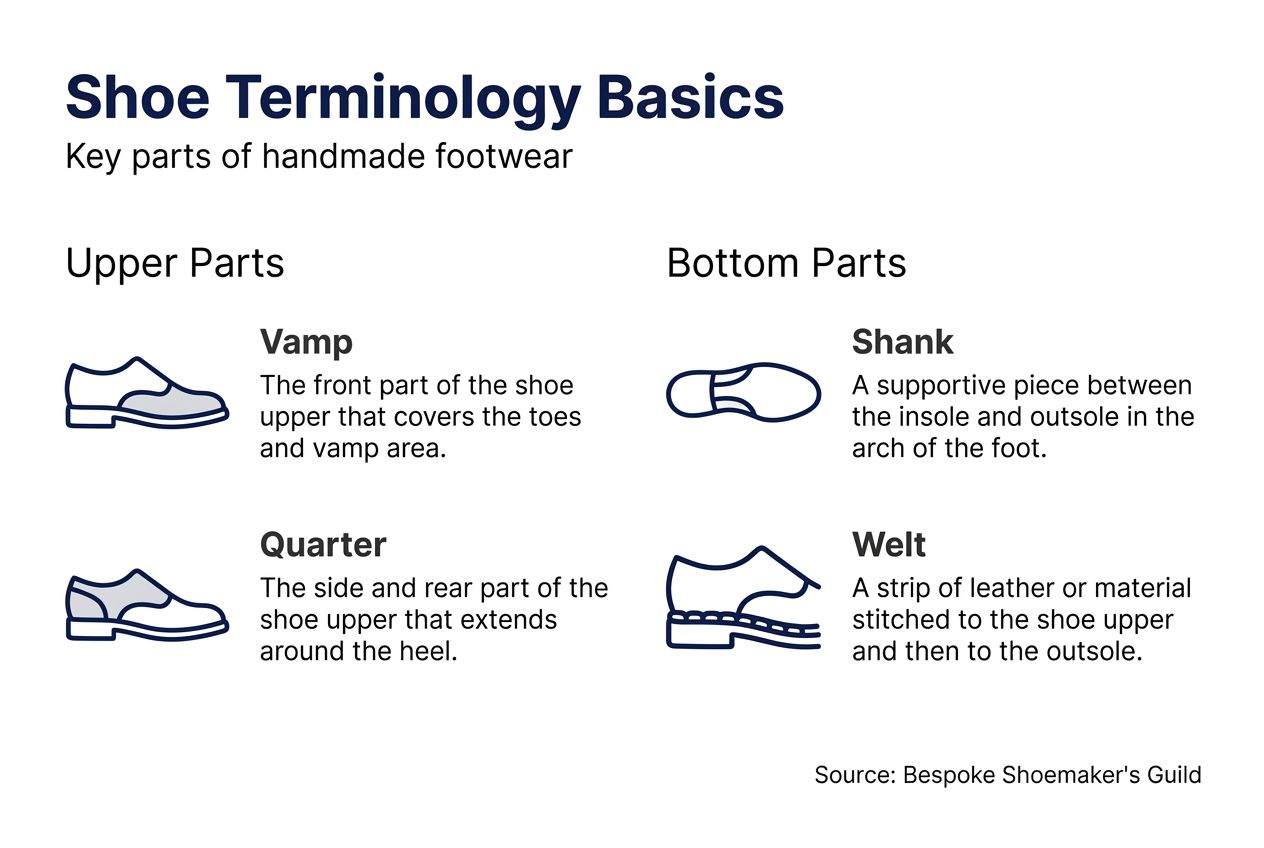
Familiarize yourself with basic shoemaking terminology before beginning. Terms like “upper,” “welt,” “shank,” and “counter” appear throughout the process. Understanding basics of European craftsmanship enhances the final luxury shoe quality and helps you appreciate the intricate details involved.
The Italian shoemaking tradition emphasizes hand-finishing techniques that distinguish truly exceptional footwear from factory-made alternatives. This philosophy prioritizes fit, comfort, and longevity over speed.
Pro Tip: Invest in quality tools from the start rather than replacing cheap equipment repeatedly. Professional-grade implements deliver cleaner cuts, more precise stitching, and reduce material waste significantly.
Measuring and creating the custom last
The custom last serves as the foundation for every bespoke shoe. Without millimeter-accurate measurements, even the finest materials and craftsmanship cannot deliver proper fit.
Accurate foot measurement and creating a custom last prevents issues like blisters and ensures comfort. This step requires patience and attention to detail that separates exceptional shoes from mediocre ones.
Follow these measurement and last-creation steps:
- Measure both feet in multiple dimensions including length, width, arch height, and instep circumference while standing
- Record measurements at different times of day since feet swell slightly throughout daily activities
- Create foot impressions using foam boxes or digital scanning technology for three-dimensional accuracy
- Adjust the wooden, plastic, or metal last based on measurements and impressions
- Test fit the last against foot castings to verify accuracy before proceeding
- Make final refinements accounting for material thickness and lasting tension
Professional shoemakers often maintain client last libraries, storing each customer’s unique measurements for future orders. This practice eliminates remeasurement and ensures consistency across multiple pairs.
The notary dress shoe fitting guide explains how professionals in formal settings benefit from precision fitting. Proper lasts accommodate individual foot characteristics including bunions, high arches, or asymmetrical dimensions that standard sizing ignores.
Pro Tip: Schedule measurements in the afternoon when feet have expanded to their daily maximum size. Morning measurements often result in shoes that feel tight by evening.
Designing, pattern making, and cutting materials
Transforming precise measurements into wearable shoes requires translating lasts into detailed patterns. This creative phase combines artistic vision with technical precision.
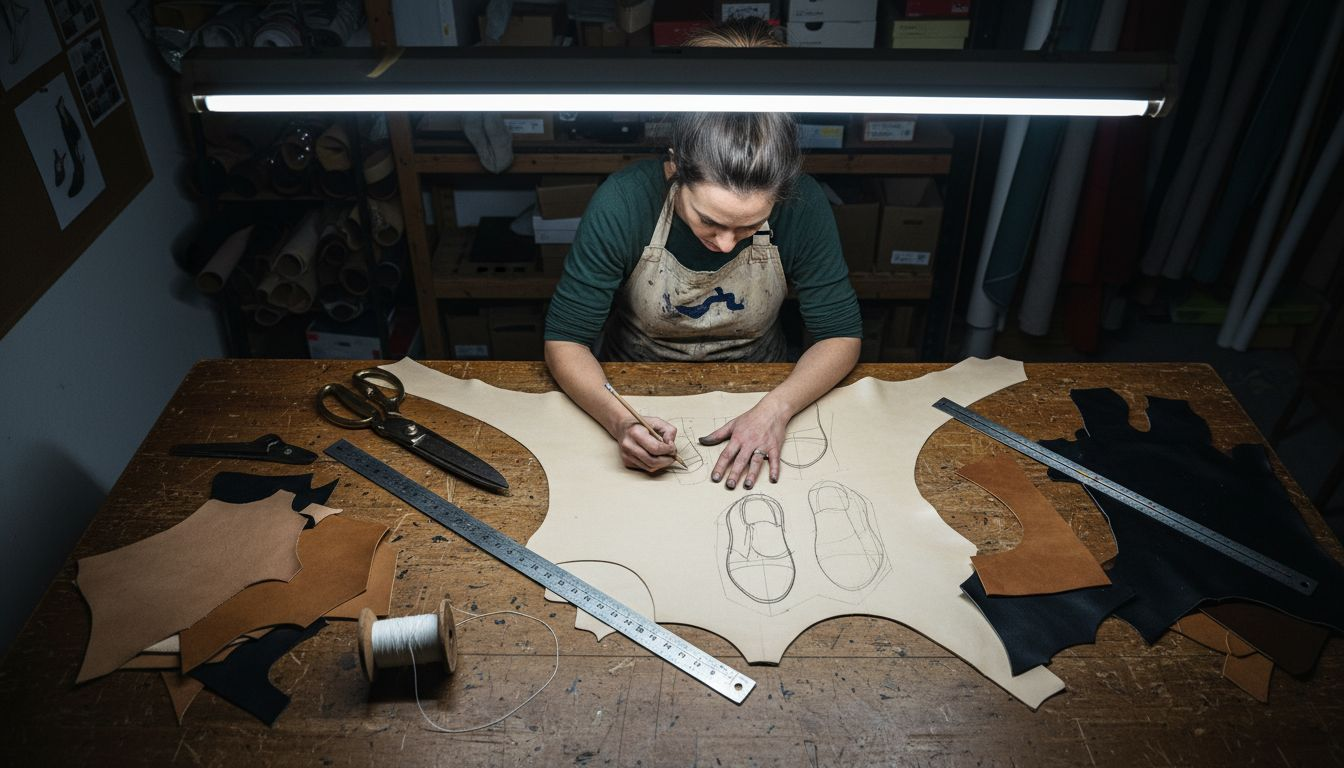
Starting with simpler designs like wholecut or Oxford helps develop essential skills before attempting complex multi-piece constructions. Master foundational techniques first.
Begin by sketching your design directly on paper or using specialized software. Consider the shoe’s intended use, formality level, and seasonal appropriateness. Create separate patterns for the upper, lining, insole, and outsole components.
Key pattern and cutting considerations:
- Map leather grain direction to maximize strength and minimize stretching
- Account for seam allowances and lasting margins in all pattern pieces
- Mark reference points for precise alignment during assembly
- Select leather thickness appropriate for each component
- Plan decorative elements like broguing or medallions early
Use sharp blades and precise techniques to maintain pattern alignment and minimize waste. Dull tools tear leather fibers instead of cutting cleanly, creating weak points that compromise durability.
| Leather Type | Best Use | Thickness Range |
|---|---|---|
| Full-grain calfskin | Uppers, formal styles | 1.0 to 1.4 mm |
| Vegetable-tanned leather | Insoles, welts | 2.5 to 3.5 mm |
| Chrome-tanned leather | Linings, flexibility needed | 0.8 to 1.0 mm |
| Exotic leathers | Decorative accents | 1.2 to 2.0 mm |
The customized shoe design benefits extend beyond aesthetics to include functional improvements tailored to your gait and activities. Custom patterns accommodate orthotic inserts or support requirements.
Pro Tip: Cut mirror-image pairs simultaneously when possible to ensure perfect symmetry between left and right shoes. Stack patterns and cut through both leather pieces together.
Assembling, lasting, and finishing the shoe
Assembly transforms individual components into cohesive footwear through precise stitching, lasting, and finishing techniques. This labor-intensive phase demands patience and skill.
Follow this systematic assembly process:
- Stitch upper components together using waxed thread for water resistance and durability
- Attach lining to upper, ensuring smooth interior surfaces without wrinkles
- Pull the upper over the last, securing it with lasting tacks around the perimeter
- Attach the insole to the lasted upper, creating the foundation for walking comfort
- Add the welt strip around the shoe’s perimeter where upper meets sole
- Stitch or cement the midsole and outsole layers according to construction method
- Remove lasting tacks and extract the last once adhesives cure completely
- Trim excess material and smooth edges for professional appearance
Handcrafted luxury shoes often use Goodyear welting, allowing resoling and extending life significantly. This construction method stitches the welt to both upper and sole, creating a cavity that can be opened for repairs.
Goodyear welted shoes can last 10+ years with maintenance and resole multiple times, unlike cemented alternatives. The initial investment pays dividends through decades of wear.
| Construction Method | Durability | Resoling Ability | Water Resistance | Flexibility |
|---|---|---|---|---|
| Goodyear Welt | Excellent | Yes, multiple times | Good | Moderate |
| Blake Stitch | Very Good | Yes, limited times | Moderate | Excellent |
| Cemented | Good | No | Poor | Good |
Finishing transforms functional shoes into luxury items through polishing, patina application, and protective treatments. Apply cream polish in thin layers, buffing between coats for depth and shine. Custom patina involves hand-applying color gradients that highlight shoe contours.
The Goodyear welt vs Blake stitching comparison helps you understand construction trade-offs. Blake stitching offers superior flexibility while Goodyear welting provides maximum longevity.
Personalization options during finishing include custom stitch colors, decorative perforations, contrasting heel stacks, and unique sole edge finishes. These details make each pair unmistakably yours.
Pro Tip: Let newly finished shoes rest for 48 hours before wearing. This curing period allows adhesives to reach full strength and leather to stabilize after lasting tension.
Troubleshooting common mistakes and expected outcomes
Even experienced shoemakers encounter challenges during the crafting process. Recognizing and correcting errors early prevents wasted materials and disappointing results.
Common mistakes like incorrect last measurement, uneven stitching, and improper tension negatively impact both fit and long-term durability. Address issues immediately rather than hoping they improve during later stages.
Frequent shoemaking errors to avoid:
- Inaccurate foot measurements creating lasts that produce blisters or pressure points
- Uneven stitch tension weakening seams and creating visible irregularities
- Excessive lasting tension stretching leather beyond recovery
- Insufficient lasting tension causing loose, wrinkled uppers
- Poor material preparation leaving natural oils or residues that prevent adhesion
- Rushing the drying process before adhesives cure completely
When mistakes occur, assess whether correction is possible or if starting fresh saves time ultimately. Minor stitching errors can be unpicked and redone. Incorrectly sized lasts require complete remeasurement.
Realistic outcome expectations include:
- Perfect fit eliminating common discomfort from mass-produced shoes
- Durability exceeding factory footwear by years when properly maintained
- Unique aesthetic reflecting personal style preferences
- Significant upfront time and cost investment
- Ongoing care requirements including regular polishing and eventual resoling
The luxury shoe durability tips explain maintenance practices that maximize your investment. Proper storage, regular cleaning, and prompt repairs prevent minor issues from becoming major problems.
“The difference between adequate shoes and exceptional shoes lies in the details. Every measurement, every stitch, every finishing touch contributes to footwear that serves you faithfully for decades. Patience during the process delivers rewards measured in years of comfort.”
Discover premium leather goods and bespoke shoe craftsmanship
Now that you understand the intricate process behind handcrafted footwear, you can appreciate the artistry in truly exceptional leather goods. MySartorial brings European shoemaking traditions to discerning professionals seeking personalized luxury.
Explore our leather goods & belts collection featuring accessories crafted with the same attention to detail as bespoke shoes. Each piece complements your custom footwear perfectly.
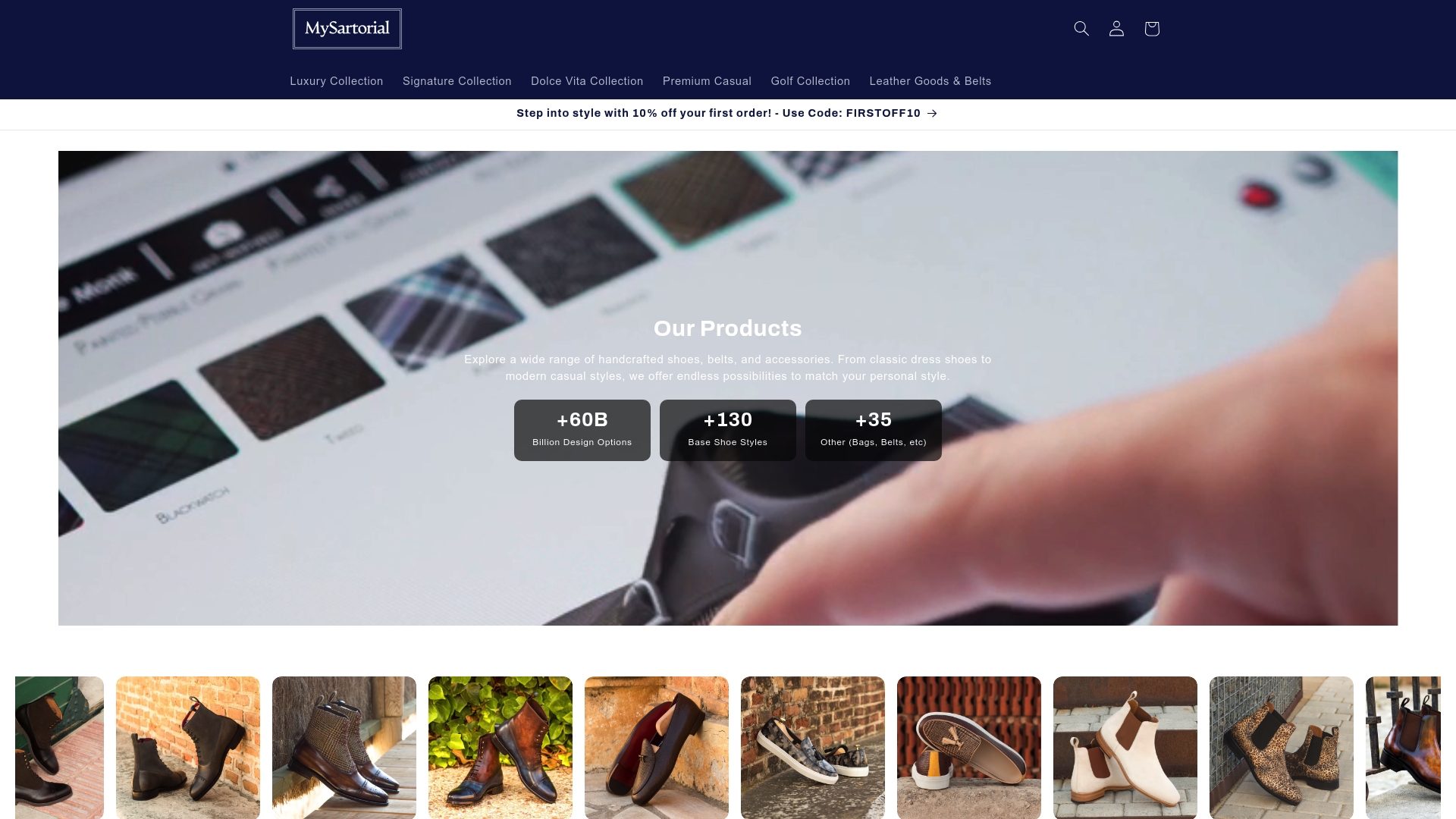
Our leather works craftsmanship page showcases the traditional techniques and quality materials that define MySartorial’s commitment to excellence. From vegetable-tanned leathers to hand-finished patinas, every element reflects generations of European artisan knowledge.
Whether you choose fully bespoke shoes or our made-to-order customization options, you gain footwear that fits your life as perfectly as it fits your feet.
Frequently asked questions
What is the average cost to make custom handcrafted shoes?
Bespoke handcrafted shoes typically range from $800 to $3,000 depending on materials, construction method, and customization complexity. Entry-level custom shoes start around $600, while exotic leathers and intricate designs can exceed $5,000. The investment reflects hundreds of hours of skilled labor and premium materials that mass production cannot replicate.
How do I care for my bespoke leather shoes to extend their life?
Clean shoes after each wear using a soft brush to remove dirt and debris. Apply cream polish monthly and wax polish for special occasions, buffing between thin layers. Use shoe trees immediately after wearing to maintain shape and absorb moisture. Rotate pairs regularly, allowing 24 hours rest between wears. Address scratches and worn heels promptly to prevent damage from spreading.
Can I customize colors and stitch details on my shoes?
Most bespoke and made-to-order services offer extensive customization including leather color, patina effects, stitching thread colors, sole edge finishes, and decorative perforations. You can specify heel height, toe shape, lining materials, and hardware finishes. Customization options vary by shoemaker, so discuss your vision during initial consultations to ensure your preferences align with available choices.
How often can Goodyear welted shoes be resoled?
Goodyear welted construction allows resoling five to seven times throughout the shoe’s lifetime when properly maintained. Each resoling costs significantly less than new shoes while preserving the broken-in upper’s perfect fit. The process takes one to three weeks and involves removing the old sole, cleaning the welt, and stitching a new sole using the existing welt stitching channel.
What should I expect during my first shoe fitting appointment?
Your initial fitting involves comprehensive foot measurements including length, width, arch height, instep, and heel dimensions for both feet. The shoemaker discusses your style preferences, intended use, and any fit concerns from previous shoes. You review leather samples, construction options, and customization choices. Expect this appointment to last 45 to 90 minutes as the shoemaker gathers information to create your perfect last.
Recommended
- Handcrafted Footwear: 3X Durability & Unique Style – MySartorial
- MySartorial Blog
- Why You Should Invest in MTO Personalized & Fully Customized Shoes – MySartorial
- 58% of luxury shoe market: formal shoes for notaries – MySartorial
- Types of Luxury Footwear in 2026: 58% Market Share Insights – MaraFormigone
- Custom Jewelry Design Process: Creating Ethical Luxury – Eternal Carat